
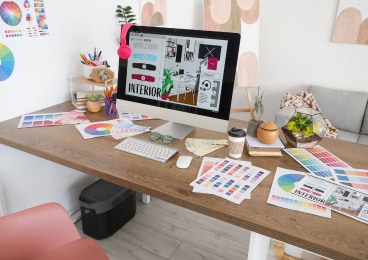
There is a popular belief that a messy desk is a sign of a busy, imaginative mind. Photos of famous writers and designers surrounded by piles of paper have helped turn chaos into a badge of honor. A creative mess feels alive. It feels personal. It feels productive. But beneath that comforting story is a quieter truth that many people avoid. What feels like freedom can slowly turn into friction. What feels inspiring can quietly drain focus, energy, and clarity.
Clutter does not announce itself as a problem. It creeps in gently, disguised as possibility. One notebook becomes five. One open tab becomes twenty. One stack of papers becomes a permanent fixture. Over time, the mess stops being a tool and starts becoming a weight. This is where clutter’s impact on work performance becomes impossible to ignore. Understanding this shift is the first step toward building a workspace that supports both creativity and progress.

The Hidden Cost of Creative Chaos
A cluttered workspace asks your brain to work harder than it should. Every object in your line of sight competes for attention, even when you think you are ignoring it. The brain is constantly sorting, scanning, and filtering. This mental background noise drains energy before real work even begins. You sit down to create, but part of your mind is already tired.
Creative chaos often feels comforting because it represents unfinished ideas and future potential. Yet those same unfinished pieces can trigger stress. They whisper reminders of tasks not completed and decisions not made. Over time, this creates a low level of tension that follows you through the day. You may feel busy without feeling effective. You may work longer hours without seeing better results.
This environment also blurs priorities. When everything is visible at once, nothing stands out. Important work gets lost beside old notes and half used tools. You spend more time searching than creating. Small delays stack up, turning minutes into hours. This is one of the clearest ways clutter’s impact on work performance shows up. Productivity does not disappear dramatically. It fades slowly, almost politely.
The cost is not only mental. Creative chaos can affect how others perceive your work. Whether through video calls or shared digital spaces, disorder sends signals. It can suggest a lack of structure even when your ideas are strong. In professional settings, clarity is often judged before creativity has a chance to speak.
How Clutter Shapes Your Thinking
The spaces we work in shape the way we think. A cluttered environment encourages reactive thinking instead of deliberate thinking. Your attention jumps from one item to the next, mirroring the disorder around you. This makes it harder to stay with complex ideas or long term projects. Deep focus requires a sense of safety and calm. Clutter interrupts that.
Decision making also suffers. When your desk or screen is crowded, even simple choices feel heavier. Choosing what to work on first becomes tiring. The brain starts to avoid decisions altogether, leading to procrastination. This is not laziness. It is cognitive overload. Too many signals at once reduce your ability to move forward with confidence.
Creativity itself can become shallow in cluttered spaces. While a certain level of stimulation can spark ideas, constant visual noise prevents those ideas from developing. Original thinking needs room to breathe. It needs pauses, empty space, and moments of quiet. When every surface is full, there is no place for new thoughts to land.
Clutter also affects memory. When items do not have clear homes, the brain cannot rely on patterns. You forget where things are, which creates frustration and self doubt. Over time, this erodes trust in your own systems. You may feel scattered, even when your skills are strong. This subtle erosion is one of the most overlooked aspects of clutter’s impact on work performance.

The Emotional Weight of Disorder
Clutter carries emotional meaning. Many people keep things not because they need them, but because they represent past effort or future intention. Letting go can feel like admitting failure or closing a door. This emotional attachment keeps the mess alive, even when it causes stress.
A cluttered workspace can create a constant sense of being behind. No matter how much you accomplish, the mess suggests there is always more to do. This can lead to guilt during rest and anxiety during work. The line between effort and overwhelm becomes thin. Over time, motivation fades because the environment never reflects progress.
Disorder can also limit joy. When your space is crowded, small wins are harder to notice. Completed tasks disappear into the noise. A clear space, on the other hand, provides visual feedback. It shows movement. It shows growth. This feedback is deeply motivating and helps sustain creative energy.
There is also a physical response to clutter. Studies show that messy environments can raise stress levels and heart rate. Even if you believe you thrive in chaos, your body may be telling a different story. Tension in the shoulders, shallow breathing, and mental fatigue are often connected to the spaces we inhabit.
Understanding this emotional layer helps explain why organizing is not just about cleaning. It is about aligning your environment with the way you want to feel while working. This shift transforms organization from a chore into a form of self respect.
Creating Order Without Killing Creativity
The goal is not to strip your space of personality. It is to create intentional structure. Order does not limit creativity. It supports it. When everything has a place, your mind is free to explore without distraction. You spend less time managing objects and more time shaping ideas.
Start small and think in systems, not perfection. Clear one surface. Create simple categories. Decide where active projects live and where completed work rests. This separation alone can restore clarity. Digital spaces matter just as much. Organizing files, emails, and tabs reduces mental clutter and supports sustained focus.
Regular maintenance is more powerful than dramatic cleanups. A few minutes at the end of the day can reset your space and signal closure. This habit protects tomorrow’s energy. It also builds trust with yourself. You know where things are. You know where to begin.
Thoughtful tools can help maintain this balance. Storage that hides excess while keeping essentials close reduces visual noise. Furniture with built in organization supports flow instead of interrupting it. These choices are not about style alone. They are about function and ease.
When your environment works with you, creativity becomes lighter. Ideas move faster. Decisions feel simpler. This is the true promise behind addressing clutter’s impact on work performance and applying expert organizing tips. You are not changing who you are. You are removing what holds you back.
In the end, a clear space is not an empty space. It is a space that knows its purpose. It reflects your priorities, supports your focus, and gives your creativity room to grow.

Two Smart Tools That Bring Calm and Order to Your Workday
Maintaining order at work becomes easier when your tools are designed to support clarity instead of chaos. The right furniture does more than store items. It shapes how smoothly your day flows and how focused you feel while working.
The FlexiSpot Mobile File Cabinet CB2 is built for small spaces that demand efficiency. Its compact frame slides easily beside or under a desk, yet it offers three thoughtfully sized drawers that separate daily papers from critical documents. Smaller drawers handle loose files and supplies, while the deeper bottom drawer protects larger paperwork that needs to stay close but out of sight. Smooth rolling wheels allow the cabinet to move where you need it, making cleaning and cable management easier. A secure locking system protects sensitive materials, adding peace of mind without sacrificing style. Its curved black design feels modern and professional, blending seamlessly into most workspaces.
The FlexiSpot Comhar Standing Desk with Drawers supports both movement and organization. Its adjustable height allows you to shift between sitting and standing, helping reduce fatigue during long work sessions. The spacious bamboo style surface offers room to think and create, while a built in drawer keeps essentials hidden but accessible. Integrated USB charging ports reduce cable clutter, keeping your desk clear and your focus sharp.