
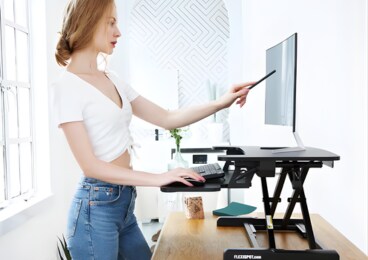
There is a quiet pressure that comes with modern work culture, especially when working from home. Scroll through social media or office design blogs and it can feel as if productivity only arrives once you buy a brand new standing desk. The truth is far simpler and far kinder to your budget. Most people already own a desk that works just fine. What they lack is flexibility. Standing at work is not about replacing everything you own. It is about adjusting how you use it. A standing desk converter offers that shift without the cost, the hassle, or the commitment of a full desk overhaul. It rests on top of your existing surface and adapts to your body rather than forcing your body to adapt to it. This small change removes the pressure to redesign your entire workspace and replaces it with a practical upgrade. It respects the space you have and the routine you already know. Instead of chasing a picture perfect office, you begin to build one that responds to how you actually work each day.
What Sitting All Day Really Does to You
Most workdays begin with good posture and end with slumped shoulders and a stiff back. Long hours of sitting slowly drain energy and attention. The body was not designed to stay still for so long, yet many of us ask it to do exactly that. Over time, this stillness can show up as neck pain, tight hips, sore wrists, and a dull mental fog that settles in by midafternoon. The standing part of the day introduces gentle movement back into the routine. It encourages better alignment and reminds the body to stay engaged. You do not need to stand all day to feel the difference. Even short standing intervals can help circulation and reduce discomfort. A desk converter makes these transitions easy and natural. You can rise when your body asks for it and sit when focus requires stillness. This balance supports both physical comfort and mental clarity, which is often missing from a day spent entirely in a chair.

How a Desk Converter Fits Into Real Life
One of the most appealing things about a standing desk converter is how quietly it fits into daily life. There is no need to measure the room again or rearrange furniture. You place it on your desk, set up your screen and keyboard, and begin. This simplicity matters because habits stick when they are easy. A converter allows you to move between sitting and standing without breaking concentration. During meetings, you can stand to stay alert. During deep work, you can sit to stay grounded. The desk becomes responsive rather than rigid. This flexibility mirrors the rhythm of real work, which rarely stays in one posture for long. Instead of forcing change, the converter invites it. Over time, standing becomes less of a task and more of a natural option. The desk fades into the background while your comfort takes center stage.

Productivity Feels Different When You Can Move
Standing does not automatically make you work harder, but it often helps you work smarter. When the body feels supported, the mind follows. Many people notice that standing brings a subtle lift in energy. Tasks feel lighter. Focus stretches a little longer. Creativity flows more easily because the body is no longer fighting discomfort. A standing desk converter supports this by making movement part of the workflow rather than a disruption. You can shift positions during phone calls, stretch between emails, or simply stand when your attention starts to drift. These small moments of movement can reset focus without breaking momentum. Productivity becomes less about forcing output and more about creating conditions where good work can happen naturally. Over time, this approach feels sustainable rather than draining.

Choosing a Converter That Actually Works
Not all standing desk converters are created equal, and choosing the right one matters. Size is the first consideration. It should fit comfortably on your desk without crowding your space. Stability is just as important. A good converter stays steady even when fully raised. Ease of adjustment makes daily use enjoyable rather than frustrating. You want smooth movement that responds quickly to your needs. Thoughtful design also shows up in small details like wrist padding and keyboard placement. These features protect comfort during long hours. One well regarded option is the FlexiSpot Standing Desk Converters M7 Series, which is designed to sit neatly on existing desks while supporting smooth height transitions and solid weight capacity. The goal is not luxury; it is reliability. A converter should feel like a natural extension of your desk, not a complicated add on.
A Small Change With Lasting Impact
Standing at work does not require a dramatic transformation or a complete reset of your routine. It begins with a small and thoughtful decision to pay attention to what your body is asking for throughout the day. A standing desk converter makes that decision easy by offering choice. You can sit when you need calm and stability, and you can stand when your body wants movement and space. There is no need to replace your desk, rethink your room, or change the way you work. The shift is gentle and practical, designed to fit into the life you already have.
Over time, these quiet changes start to matter. Tension in the neck and shoulders softens. The afternoon fatigue becomes less intense. Energy feels more even, not rushed or forced. Work begins to feel lighter because your body is no longer working against you. Your desk turns into a supportive partner instead of a place you push through each day.
In the broader story of work and well being, this approach is important. It reminds us that improvement does not always come from big spending or bold redesigns. Often, it comes from flexibility, awareness, and respect for how we move. When your workspace adapts to you, work becomes easier to sustain, day after day.