
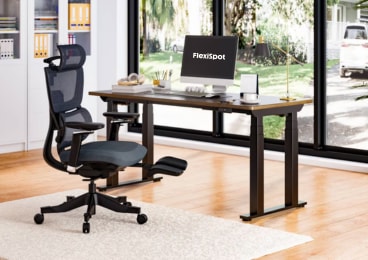
The home office has changed more in the last few years than it did in the previous two decades. Work is no longer tied to a single building or a single desk. Kitchens became conference rooms, spare bedrooms turned into work studios, and people everywhere began to ask an important question. If we spend so many hours working, should our workspace not care for our bodies and minds?
In 2026, the answer is clear. Comfort, movement, and thoughtful design now shape the way people build their home offices. Professionals are no longer satisfied with stiff chairs, crowded desks, and the dull fatigue that arrives in the afternoon. They want workspaces that help them think clearly, move naturally, and stay energized throughout the day.
This shift has placed ergonomic design at the center of the conversation. A well designed workspace does more than hold a laptop. It supports posture, encourages movement, and creates a calm environment where ideas can grow.
Among the many brands entering this space, FlexiSpot has emerged as a name people recognize with trust. Their desks, chairs, and adaptable office tools reflect a deeper understanding of how modern professionals live and work. The rise of FlexiSpot is not simply about furniture. It represents a broader movement toward healthier, smarter, and more human-centered workspaces.
The FlexiSpot Philosophy: Design That Works With the Human Body
Good design often begins with a simple observation. People were never meant to sit still for eight or ten hours at a time. The human body prefers variety. It likes to shift position, stretch, stand, and move. When workspaces ignore this truth, fatigue arrives quickly. The back stiffens, the shoulders tighten, and focus begins to fade.
FlexiSpot builds its products around this basic understanding of the human body. Instead of forcing workers to adapt to rigid furniture, their designs adapt to the worker. Height adjustable desks rise and lower with ease. Chairs respond to the shape of the spine. Accessories help transform ordinary workstations into spaces that support movement and comfort.
What makes FlexiSpot particularly appealing is its balance between function and visual simplicity. Many ergonomic products in the past looked overly technical and out of place in a home environment. FlexiSpot changed that idea. Their furniture blends easily into modern interiors, whether the office sits in a bright living room corner or a quiet private study.
The result is furniture that feels natural to use. It does not interrupt the rhythm of work. Instead, it quietly supports it. As remote and hybrid work continue to expand in 2026, this design philosophy has helped FlexiSpot become a leading voice in ergonomic innovation.

Standing Desks and the New Rhythm of the Workday
For years, sitting was treated as the default position for work. Yet research continues to show that long hours of sitting can contribute to fatigue, poor posture, and reduced energy levels. Modern workers are now rethinking that habit, and standing desks have become a key part of the solution.
A standing desk allows the user to move between sitting and standing throughout the day. This small shift creates a surprisingly large difference in how people feel while working. When the body stands, blood flows more freely, the spine lengthens, and muscles engage more naturally. The mind often follows this physical change with greater alertness and clarity.
FlexiSpot’s standing desks have gained attention because they make this transition simple. Smooth electric adjustments allow users to raise or lower the desk in seconds. The movement feels quiet and steady, almost effortless. A task that once required a full rearrangement of furniture now happens with the touch of a button.
Many professionals now structure their workday around these movements. They may stand during virtual meetings, sit while writing detailed reports, and rise again when reviewing documents or brainstorming ideas. This gentle rhythm keeps the body active without interrupting productivity.
What once felt unusual now feels natural. Standing desks have become a defining symbol of the modern workspace.

Ergonomic Chairs and the Science of Sitting Well
Even with standing desks becoming popular, sitting remains an important part of the workday. The difference now lies in how people sit. A poorly designed chair can place pressure on the lower back, tilt the pelvis forward, and encourage a slouched posture that strains muscles over time.
An ergonomic chair approaches sitting with greater care. The goal is not simply to provide a place to rest. Instead, the chair works to support the natural curve of the spine while allowing small adjustments that match each person’s body.
FlexiSpot’s ergonomic chairs focus strongly on lumbar support. The lower back receives gentle reinforcement that keeps the spine aligned during long hours at the desk. Adjustable armrests, seat depth controls, and reclining tension allow users to fine tune their seating position until it feels balanced and comfortable.
Breathable materials also play an important role. Many modern chairs use mesh backs that allow air to circulate, helping users remain cool during long sessions of focused work. The difference may seem small, but comfort often depends on these subtle details.
Over time, the benefits become clear. Workers experience fewer aches, less stiffness, and greater concentration. A well designed chair does not simply support posture. It protects long term health while making daily work feel smoother and more sustainable.

Desk Converters and the Rise of Flexible Workspaces
Not every workspace begins with a full renovation. Many professionals work with the furniture they already have, especially in small apartments or shared homes. This is where desk converters have gained surprising popularity.
A desk converter sits on top of an existing desk and raises the monitor and keyboard to standing height. With a simple lift, the workstation transforms from a seated setup into a standing workspace. When the user wishes to sit again, the platform lowers smoothly back into place.
FlexiSpot’s desk converters have become especially popular because of their ease of use. They arrive ready to work with minimal setup. Within minutes, a traditional desk can become a flexible workstation that encourages movement throughout the day.
These converters also help maximize limited space. Instead of replacing an entire desk, users simply enhance what they already own. For students, remote employees, and small business owners, this practical solution makes ergonomic upgrades more accessible.
Affordability plays a role as well. Many people want healthier workspaces but hesitate to invest in a complete furniture overhaul. Desk converters offer a thoughtful middle path. They provide the benefits of a standing desk while preserving the structure of the original workspace.
In a world where work environments vary widely, flexibility has become a defining feature of modern office design.
The 2026 Home Office Refresh: Why FlexiSpot Leads the Trend
The idea of the home office refresh has become one of the defining interior trends of 2026. People are no longer satisfied with temporary work setups. They want workspaces that reflect the same care they give to their living rooms and kitchens.
Ergonomic furniture sits at the heart of this shift. A well designed desk encourages movement. A supportive chair protects posture. Smart accessories add flexibility without clutter. Together, these elements create an environment where work feels lighter and more sustainable.
FlexiSpot has positioned itself at the center of this transformation. By combining thoughtful engineering with simple design, the brand has helped redefine what a modern home office can look like. Their products do not simply fill a room. They improve how people experience the hours they spend working.
The success of FlexiSpot reflects a deeper cultural change. Workers are paying attention to their health, their comfort, and the way their surroundings influence their focus. A workspace is no longer just a place to finish tasks. It has become a place that supports creativity, concentration, and well being.
As more professionals refresh their offices in 2026, ergonomic design continues to guide the conversation. FlexiSpot stands at the forefront of that movement, shaping a future where workspaces finally work with the people who use them.