
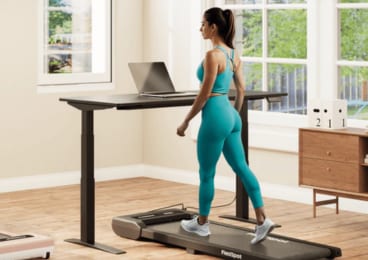
We were promised balance. Instead, 2026 showed up with stacked calendars, glowing screens, and lunches eaten with one hand while typing with the other. Health advice did not get the memo. It still assumes you have an hour, a quiet room, and a yoga mat that smells like eucalyptus. Most working people have none of that. What they do have is 15 minutes. This article is about using that small pocket of time to stay healthy without quitting your job, skipping meals, or pretending burnout is a personality trait. The 15-minute health audit is not about perfection. It is about noticing, adjusting, and choosing better on purpose, even on busy days.

If You Cannot Find 15 Minutes, You Are Already Paying for It
The biggest lie in modern work culture is that health requires more time than you have. In reality, ignoring your health costs more time later in fatigue, sick days, and foggy thinking that turns simple tasks into long ones. The 15-minute health audit works because it fits inside your day instead of fighting it. It starts with awareness. For 15 minutes, you check three things. How your body feels, how you have been moving, and how you have been eating. You do not judge. You observe like a professional who is curious, not cruel.
In 2026, motivation comes less from willpower and more from friction. If something is hard to start, you avoid it. If something is easy, you repeat it. That is why small audits work. They reduce friction. During your lunch break, you stand up, stretch your back, roll your shoulders, and notice how long you have been sitting. If you use a standing desk, this is where it earns its keep. Standing for part of the day is not a fitness trend. It is a reminder that your body was built to change positions often. You do not need to stand all day. You need to stop sitting all day.
This short check-in often reveals simple fixes. You realize you skipped water again. You see that your neck hurts because your screen is too low. You notice your energy dip happens at the same time every afternoon. These are not failures. They are data. Data makes health feel practical instead of emotional. Motivation grows when progress feels measurable and kind. Fifteen minutes of attention can prevent hours of discomfort later, and that trade is one busy professionals can finally accept.

Exercise Does Not Need a Gym, It Needs Better Timing
Exercise advice loves extremes. Either you are training for something or you are doing nothing. Real life lives in between. The 15-minute health audit reframes movement as maintenance, not punishment. In 2026, staying healthy at work means sneaking movement into the day without turning it into a production. You are not trying to sweat through your clothes. You are trying to remind your muscles that they exist.
During your audit, you ask one honest question. When did I last move on purpose? If the answer is vague, you already know what to do next. You stand. You walk. You stretch. You do a short routine that fits beside your desk or in a quiet hallway. Using a standing desk makes this easier because movement becomes normal instead of disruptive. You can shift your weight, do calf raises, or stretch your hips while reading emails. None of this looks dramatic. That is the point.
Motivation improves when exercise stops feeling like a separate identity. You do not need workout clothes or a playlist. You need consistency. Fifteen minutes a day adds up to over ninety hours a year. That is not nothing. That is a body that aches less and focuses more. Humor helps too. Treat these moments lightly. If you forget a day, you did not ruin anything. You just continue tomorrow. Health sticks when it feels forgiving.
Education matters here. Short bouts of movement improve circulation, reduce stiffness, and help regulate blood sugar. You are not chasing aesthetics. You are supporting basic systems that let you think clearly and sleep better. Once you feel those benefits, motivation becomes quieter but stronger. You move because it works, not because someone online told you to.

Healthy Eating Is a Systems Problem, Not a Personality Test
Food advice often sounds moral. Eat this and you are good. Eat that and you are weak. The 15-minute health audit removes drama from eating and replaces it with planning. During your break, you look at what you ate and how it made you feel. You notice patterns. Heavy lunches that lead to afternoon crashes. Sugary snacks that promise energy but steal focus. Skipped meals that turn you into someone you barely recognize by four p.m.
Staying healthy in 2026 means building systems that support good choices when your brain is tired. Motivation is unreliable at work. Systems are not. This might mean keeping protein snacks nearby, drinking water before coffee, or choosing lunches that leave you steady instead of sleepy. It also means forgiving imperfect days. No one eats well every day. Healthy people just recover faster.
Standing desks play a role here too. Standing while working often reduces mindless snacking because you are more aware of your body. You eat when you are hungry, not just bored. This awareness is subtle but powerful. It turns eating into a choice instead of a reflex.
Education again matters. Balanced meals help stabilize energy and mood. Fiber slows digestion. Protein supports muscle and focus. You do not need to memorize nutrition charts. You need to notice cause and effect. When food supports your workday instead of sabotaging it, motivation grows naturally. You stop negotiating with yourself because the benefits are immediate.
The 15-minute health audit works because it respects reality. You are busy. You are human. You are allowed to want health without making it your second job. In a demanding work culture, the most radical idea might be this. Small care, done daily, is enough.