
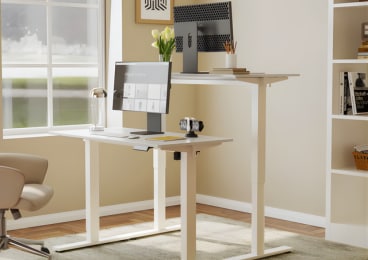
Buying a standing desk sounds simple until you realize how many choices can quietly ruin your back, your budget, or your daily mood. I learned this the slow and slightly annoying way, by working at desks that shook every time I typed, rose slower than my morning brain, or promised comfort but delivered clutter. On paper, they all looked fine. In real life, they were exhausting. A standing desk is not just another piece of furniture you push against a wall and forget about. It becomes the place where your workdays unfold, where emails are written, ideas are formed, and deadlines slowly creep closer. When the desk works against you, you feel it everywhere. Your shoulders tense up. Your focus drifts. Your patience wears thin long before the day is done.
What surprised me most was how small details created big problems. Stability, movement, space, and fit all mattered more than I expected. A poor choice did not fail loudly. It failed quietly, day after day, until frustration became routine. That is why these five lessons matter. They are not trendy tips or dramatic warnings. They are practical truths learned through use, mistakes, and mild regret. Knowing them earlier would have saved time, money, and a lot of unnecessary discomfort. They are the difference between loving your desk and resenting it by the second week.

The Lie That All Standing Desks Are Stable Enough
Most people assume a desk is a desk, and stability is a given. That belief collapses the first time your screen wobbles as you type an email. Stability is not about looks. It is about the frame, the number of legs, and how weight is distributed. Cheaper frames often rely on two legs and light steel, which is fine until you add monitors, drawers, or even lean forward in thought. A desk that shakes steals focus in tiny but constant ways. Four-leg standing desks are often overlooked, yet they offer a grounded feel that makes long work sessions calmer. You notice it most when the desk is fully raised and still feels solid. Some FlexiSpot standing desks quietly solve this problem by offering four-leg designs that stay firm even at full height. It is not dramatic. It is just peaceful. And peace is underrated when you work eight hours a day.
Why Speed and Noise Matter More Than You Think
When I first shopped for a standing desk, motor speed sounded like a small detail. It is not. A slow desk turns standing into a chore. You hesitate to switch positions because it takes too long, and soon you stop switching at all. Noise matters too, especially if you work early mornings or late nights. A loud motor feels harmless until you realize it breaks your focus every time it moves. Smooth and quiet movement makes posture changes feel natural, almost casual. This is where better engineered desks stand out. Some FlexiSpot models rise quickly and quietly enough that you barely notice the transition. You just feel the change in your body, not in your ears. That ease encourages movement, which is the whole point of owning a standing desk in the first place.

The Myth That Bigger Desks Are Always Better
It is tempting to buy the biggest desk you can fit, believing more space equals more productivity. In reality, the right shape matters more than sheer size. An L-shaped standing desk can feel like overkill until you try one in a real workflow. The extra surface lets you separate tasks, screens, and notes without stacking chaos. At the same time, a desk that is too wide but poorly planned becomes a clutter magnet. The goal is usable space, not empty space. L-shaped options, including those offered by FlexiSpot, work well for people who juggle screens, writing, and planning in one day. They help you stay organized without forcing you to spread out like you are claiming territory. Bigger is only better when it supports how you actually work.
Why Built-in Storage Is Not a Luxury
Drawers sound boring until you live without them. A standing desk without storage pushes everything onto the surface, where cables tangle and papers pile up. Built-in drawers create quiet order. They give small items a home so your desk stays clear and your mind follows. This matters more in standing desks because clutter feels more visible when you are upright. Desks with drawers manage to keep storage subtle and useful at the same time. You do not feel like you are sitting at a filing cabinet. You just feel organized. It is a small feature that changes how calm your workspace feels every single day.

The Hard Truth About Adjustability and Fit
Many desks claim to fit everyone. Most do not. Height range matters more than brand names or trendy finishes. If a desk does not lower enough, you end up raising your chair and straining your shoulders. If it does not rise high enough, you hunch while standing. Memory presets also matter more than expected. They remove friction. One button and you are at the right height. That ease keeps you consistent. FlexiSpot desks often include wide height ranges and memory controls that quietly support better posture. The desk adjusts to you, not the other way around. When a desk fits well, you stop thinking about it. That is when it is doing its job.
Final Thoughts
Standing desk shopping is not about chasing the latest trend or the most dramatic feature list. It is about how a desk feels after months of real use. Stability keeps you focused. Speed and silence keep you moving. The right shape keeps you organized. Storage keeps you calm. Proper adjustability keeps your body happy. FlexiSpot standing desks happen to check many of these boxes through thoughtful designs like desks with drawers, L-shaped layouts, and four-leg frames, but the real lesson goes beyond any brand. Buy a desk that supports how you work, not how the product page looks. Your future self will thank you quietly, every time you stand up without thinking twice.