
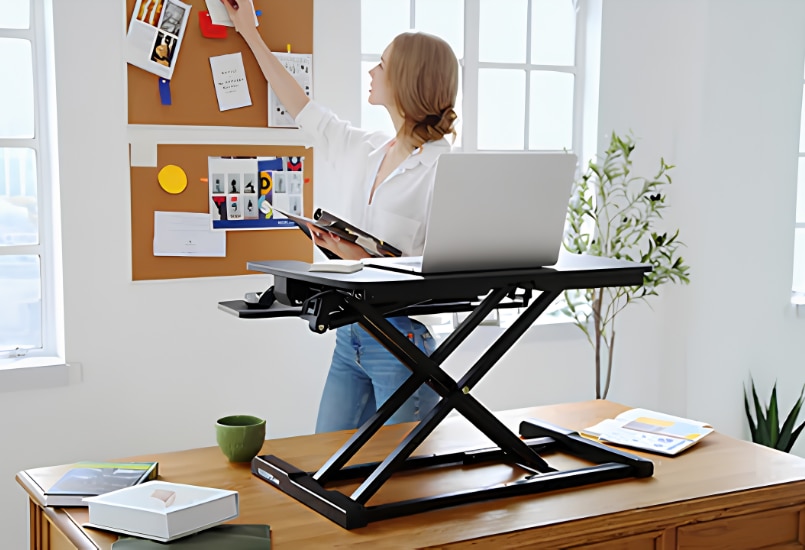
Modern work often keeps people seated for hours at a time. A typical day can begin with answering emails, move into meetings, and end with reports, all while sitting in the same chair. Over time, that routine can leave the body feeling stiff, tired, and less energized. Many people recognize the problem but hesitate to replace their existing desk. That is where standing desk converters enter the conversation. These practical workstation additions sit on top of a regular desk and allow users to switch between sitting and standing throughout the day. They offer a simple way to create a more active workspace without investing in a completely new desk. As remote work and hybrid schedules continue to grow, standing desk converters have become a popular solution for professionals, students, and home office users who want greater comfort and flexibility. Understanding their benefits, limitations, and ideal users can help you decide whether one belongs in your workspace.

Why Standing Desk Converters Have Become So Popular
The modern workplace is changing. People are paying closer attention to comfort, productivity, and long-term well-being. Standing desk converters have gained popularity because they provide a straightforward way to introduce movement into the workday. Instead of remaining seated for hours, users can raise their monitors and keyboards to a comfortable standing height and continue working without interruption.
Many people appreciate that standing desk converters require very little setup. Unlike a full standing desk, which often involves replacing furniture and rearranging an office, a converter can be placed directly on an existing desk. This makes it a practical choice for renters, students, and anyone working with limited space. It is often the quickest path toward a more flexible workstation.
Another reason for their growing appeal is convenience. Most standing desk converters allow users to change positions in seconds. This encourages movement throughout the day, helping workers avoid feeling locked into a single posture. Alternating between sitting and standing can help reduce feelings of stiffness that often develop during long periods of desk work.
Cost also plays a significant role. A standing desk converter generally costs less than a full electric standing desk. For people who want to explore the benefits of a sit-stand workspace without making a major investment, a converter offers an accessible starting point. It delivers many of the advantages associated with height-adjustable workstations while allowing users to keep the desk they already own.

The Benefits Beyond Simply Standing
Many people assume that the biggest advantage of a standing desk converter is the ability to stand. While that benefit is important, the true value often comes from flexibility. The human body is designed for movement, and changing positions throughout the day can help create a more comfortable work experience.
A standing desk converter allows workers to adapt their workspace to match their needs. During periods of focused work, standing can encourage alertness and engagement. During longer projects, sitting may provide additional comfort. The ability to switch between the two creates a dynamic workflow that feels more natural than remaining in one position all day.
Standing desk converters can also help improve workspace ergonomics when used correctly. By raising monitors closer to eye level and positioning keyboards at a more comfortable height, users can create a setup that supports better posture. This can help reduce unnecessary strain on the neck, shoulders, and upper back that often develops when screens are positioned too low.
Productivity benefits are another commonly reported advantage. While standing itself is not a shortcut to higher performance, many users find that changing positions helps them stay mentally engaged during long work sessions. A quick shift from sitting to standing can provide a sense of refreshment that breaks up the monotony of the day.
The psychological effect should not be overlooked either. Small changes in posture can create a feeling of momentum and energy. Workspaces that encourage movement often feel more active and adaptable, which can positively influence how people approach their daily tasks.

The Challenges and Limitations You Should Know
Like any workplace solution, standing desk converters are not perfect. Understanding their limitations is important before making a purchase. One common challenge involves available workspace. Because the converter sits on top of an existing desk, it occupies a portion of the desktop surface. Users with smaller desks may find themselves working with less room for accessories, documents, or office supplies.
Weight capacity is another consideration. Different converters support different equipment loads. Users with multiple monitors, large accessories, or heavier equipment should ensure that their chosen model can comfortably support their setup. Stability is equally important. A poorly designed converter may wobble during use, creating distractions and reducing overall comfort.
Some users also discover that standing all day is not the answer they expected. The goal is not to replace sitting entirely but to alternate between positions. Standing for excessive periods can lead to discomfort just as prolonged sitting can. Successful use requires balance and thoughtful adjustments throughout the day.
Learning proper ergonomic positioning can present another challenge. Monitor height, keyboard placement, and standing posture all contribute to the overall experience. A converter delivers the greatest benefits when it is adjusted correctly for the user’s height and working style.
Finally, certain converters have limited height ranges or desktop dimensions. Users should carefully review specifications to ensure the unit accommodates their equipment and body measurements. Choosing the right model can make the difference between a workspace that feels restrictive and one that feels effortless to use.

Who Should Consider a Standing Desk Converter?
Standing desk converters are particularly appealing for people who want flexibility without replacing their current furniture. Remote workers often find them useful because they can transform a home office without requiring major renovations or large purchases. A converter can instantly upgrade a standard desk into a sit-stand workstation.
Students can also benefit from a standing desk converter. Long study sessions become more comfortable when there is an option to switch positions throughout the day. The ability to stand during reading, research, or online classes can help break up long periods of sitting.
Professionals who spend most of their day in front of a computer are another ideal audience. Writers, designers, programmers, accountants, customer service representatives, and office workers frequently appreciate the freedom to adjust their workspace based on changing tasks and energy levels.

For users seeking a practical and compact solution, the FlexiSpot Sit Stand Desk Converter (M7B) deserves serious consideration. Designed with convenience in mind, it features a quick-release removable keyboard tray that allows users to work with or without the tray depending on their needs. Its stable base design helps minimize shaking, creating a dependable workspace for home offices and professional environments alike. The single-handle adjustment system allows smooth height changes within a range of 4.7 inches to 19.7 inches, making transitions fast and effortless. The 34.1-inch wide U-shaped desktop cutout supports comfortable use with laptops up to 17 inches, while the compact footprint helps preserve valuable desk space. Protective rubber pads on both the base frame and keyboard tray add an extra layer of safety and desk protection. With desktop dimensions of 28.4 inches by 16.3 inches and a weight capacity of 33 pounds on the main surface, the FlexiSpot Sit Stand Desk Converter (M7B) offers a practical balance of versatility, stability, and everyday comfort for users looking to create a more flexible workspace without replacing their existing desk.