
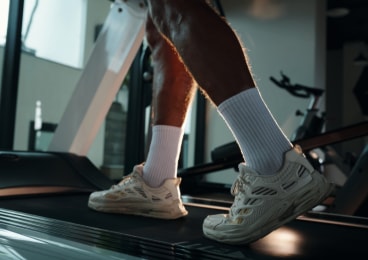
In 2026, the idea that movement requires extra time feels outdated. We live in a world where calendars are full, notifications never stop, and workdays stretch longer than planned. Yet our bodies still ask for the same basic thing they always have. They want to move. The challenge is not motivation alone. It is logistics. This is where the walking treadmill quietly enters the picture, not as a fitness trend but as a practical answer to a modern problem. Hitting 10,000 steps no longer has to compete with meetings, deadlines, or emails. It can exist alongside them. Committing to a healthy lifestyle this year does not mean dramatic routines or loud promises. It means building movement into the hours you already spend at your desk and letting consistency do the heavy lifting.

Sitting All Day Is the Real Workplace Scandal We Keep Ignoring
The modern desk job has mastered efficiency but quietly neglected the human body. Sitting for eight or ten hours a day has been normalized to the point where we barely question it, even though research keeps reminding us that prolonged sitting slows circulation, stiffens joints, and drains energy. The uncomfortable truth is that most people are not inactive by choice. They are inactive by design. Work demands focus, screens demand attention, and before you know it, the day ends with barely a few thousand steps logged. A walking treadmill changes this dynamic by removing the false choice between productivity and movement. It allows gentle motion while you answer emails, attend virtual meetings, or review documents. This is not about power walking through spreadsheets. It is about slow, steady steps that keep the body awake while the mind works.
What makes this approach effective is how unremarkable it feels once it becomes routine. At first, walking while working may feel strange, like patting your head and rubbing your stomach at the same time. After a few days, it becomes second nature. Your pace settles into something calm and sustainable. Your focus sharpens instead of fading. Many people notice that walking lightly reduces restlessness and helps them stay engaged longer. The steps accumulate quietly. A half hour here and an hour there can easily turn into several thousand steps by midafternoon. By the end of the workday, the number on your tracker feels almost surprising. Not because it is extreme, but because it happened without sacrificing work.
The bigger shift is psychological. When movement becomes part of work, exercise stops feeling like another task on the to do list. It becomes background behavior. This reframing matters because consistency thrives on ease, not effort. A walking treadmill does not demand willpower in the same way a post work gym session does. It simply asks you to stand up and start moving at a pace that feels manageable. Over time, this simple change reshapes how you think about health at work. Movement is no longer something you squeeze in later. It is something you do now, while life is already happening.

Walking While Working Sounds Ridiculous Until You Try It
There is a common assumption that movement and concentration cannot coexist. The image of serious work is still tied to stillness, as if thinking requires being glued to a chair. In reality, light movement often supports mental clarity. Walking on a treadmill at a slow pace increases blood flow and oxygen to the brain, which can help with focus and mood. This is why so many people think better while walking outside. A desk treadmill simply brings that benefit indoors and on schedule. It turns otherwise sedentary hours into active ones without demanding extra time or mental energy.
The key to success is setting realistic expectations. This is not about chasing speed or sweating through meetings. Most people find their rhythm at a pace where they can type comfortably and speak naturally. The goal is accumulation, not intensity. Ten thousand steps spread across the day feels very different from trying to cram them into a single workout. It feels lighter, more humane, and far easier to maintain. You might start with twenty minutes in the morning and another block in the afternoon. Over weeks, those blocks expand naturally as your comfort grows. The steps add up quietly, almost sneakily, until hitting 10k feels less like a victory and more like a normal outcome.
There is also an unexpected emotional benefit. Walking while working can make long days feel less heavy. It breaks the monotony of sitting and adds a sense of progress that is physical as well as professional. Even on stressful days, you can look at your step count and see tangible proof that you took care of your body. That matters more than it sounds. It builds trust with yourself. You start to believe that a healthy lifestyle is possible even during busy seasons. Not because you found extra hours, but because you used existing ones better.
Yes, you may feel slightly absurd the first time you walk through a video call. You may worry someone will notice. Most will not, and those who do are often curious rather than judgmental. In many cases, it sparks conversations about health and work that feel refreshing. What once seemed odd starts to look practical. And practicality is what makes habits stick.

The Real Secret to 10k Steps Is Boring Consistency, Not Motivation
Motivation is unreliable. It rises and falls with sleep, stress, and weather. A sustainable exercise routine does not depend on feeling inspired every day. It depends on systems that work even when you are tired or busy. The walking treadmill excels here because it lowers the barrier to entry. You do not need to change clothes, leave the house, or psych yourself up. You simply step on and begin. This simplicity is what turns a good intention into a lasting habit.
Committing to a healthy lifestyle in 2026 means accepting that progress often looks quiet. It looks like steady steps during a morning meeting. It looks like choosing movement that fits your life instead of fighting against it. Over time, these small choices compound. Improved circulation can mean less afternoon fatigue. Regular movement can ease stiffness and support long term joint health. The mental clarity that comes from walking can spill into better work output and a more balanced mood. None of this requires extremes. It requires showing up again and again in a way that feels manageable.
The walking treadmill also encourages honesty about time. Many people believe they do not have time to exercise, when what they lack is flexibility. By pairing movement with work, you stop negotiating with your schedule. Exercise is no longer something that might happen if the day goes well. It is embedded into the day itself. This approach is especially powerful for professionals who spend most of their waking hours at a desk. Instead of fighting that reality, it works with it.
By the end of the year, hitting 10,000 steps may feel less like an achievement and more like a baseline. Not because you pushed harder, but because you chose smarter systems. The beauty of this method is that it respects real life. It accepts that work is busy, days are full, and energy is finite. And yet, it proves that movement can still happen. Quietly. Consistently. One step at a time, right at your desk.