
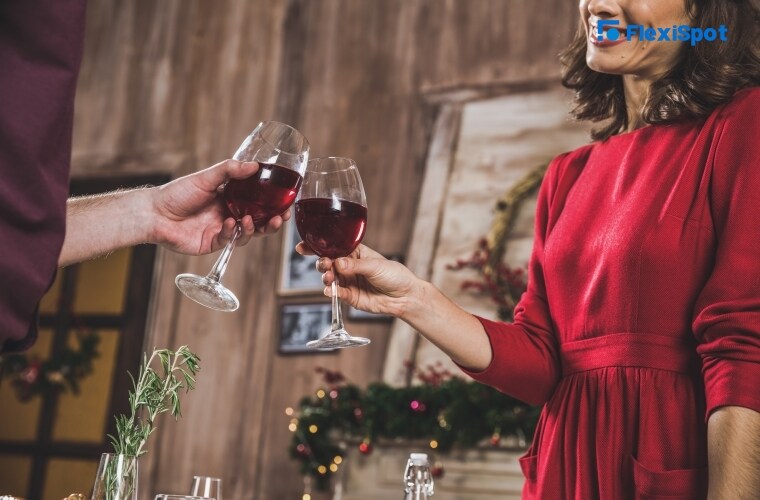
There are things in life that have to be done in a certain way. If not, you don’t get to fully, or in some cases, even truly experience it. It may be the proper way of eating a rib-eye steak at a Michelin-starred restaurant or how you show up at an opera theater. It could also be how you drink your red wine.
Whether you’re gobbling on your favorite pasta with lobster and truffles or finishing a rib-eye steak, red wine is a top pairing for most diners. People call one another to meet up for red wine and eat their favorite hors d’oeuvres as they chitchat about the latest gossip in town. Red wine, as they say, is best paired with red meat and cheese.
Red wine boasts of its many blends, varieties, and flavor profiles that could be perfect for different events and parties. It can be recreated to suit different palates, something that the most professional chefs or even simple cooks who love wine have been doing for a long time.
It may be intimidating when you get to sip red wine for the very first time, especially if you’re with someone who knows about it a lot. Your hands may be shaky if they are looking at you or judging the way you drink. But like many other things in life, it’s never late to learn anything. And now you get to experience red wine at its finest if you commit to doing so.
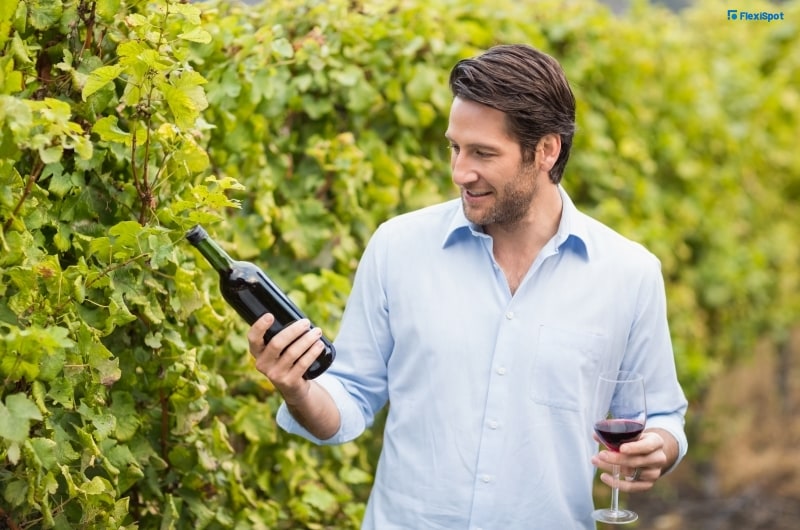
What you have to do first is to take a look at the red wine bottle before you. Of course, if you’re in a vineyard, you could skip this step but if you’re buying at a local grocery store for dinner tonight or at a restaurant with friends, you should play detective and know where the wine is sourced from. You can only make the right choice if you know the wine’s origin.
After knowing the country of origin, identify the climate in that country. If for instance, it came from a cold country—these include Chile, northern Italy, Germany, France, and the Pacific Northwest regions of the United States—the red wine you’re about to taste is most likely lighter-bodied. It’s a different story if it came from a warm place including California, Argentina, and southern France. These places may produce full-bodied wines, meaning they taste more intensely than other wines.
Take note though that people have mastered the art of winemaking and are continuously innovating in the art and science of it. Winemakers have created or are creating microclimates or soil variations to alter the taste of grapes grown in their area. This will affect the taste of the red wine you’re about to sip. You may always bring out your phone and google information about the country and the wine indicated on the bottle’s label.
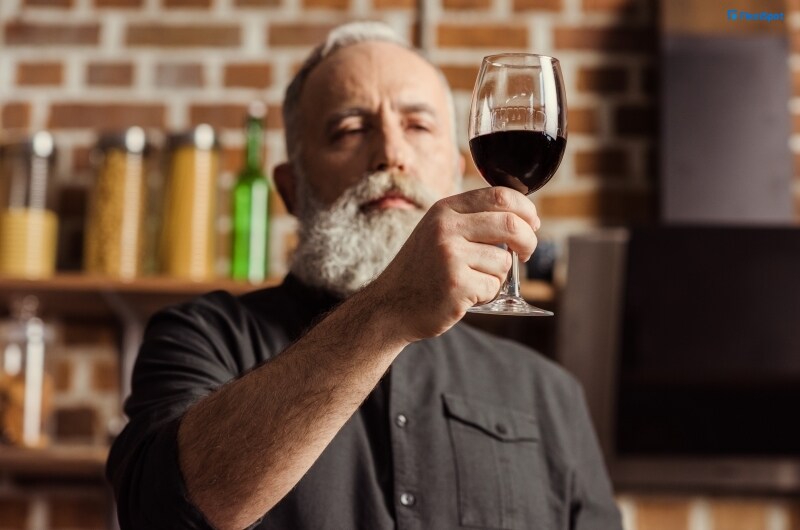
The next step is to pick the appropriate glassware. Yes, in the world of winemaking and tasting, it matters! Winecooler Direct says that red wine is generally best served with large, rounded bowls. To be more specific, the glassware varies depending on the flavor profile of your wine of choice. If you’re drinking a lighter-bodied wine, then it will taste better in a shorter glass where your nose could easily sniff it. A stronger wine with a more intense flavor, or a full-bodied wine, is better drunk in a taller glass so that the aroma has more space to travel before it reaches your nose.
Lastly, for you to get the best out of your red wine, you should pair it with food that will best suit its flavor profile. You may pair the light red wines with a soft taste with poultry and pasta while the strong and intense red wines are said to be well paired with curated meat or beef. If you have a seafood menu, then it might be better to try out white wine instead. But if you insist on red wine for your meal, then pair seafood with a light type of red wine.
When adding vegetables, be wary of these three: asparagus, brussel sprouts, and green beans. Why? It will be tricky to pick a red wine that will go with these greens.
After all the steps above, now is the time to taste your red wine. Follow the three steps below so you maximize its taste:
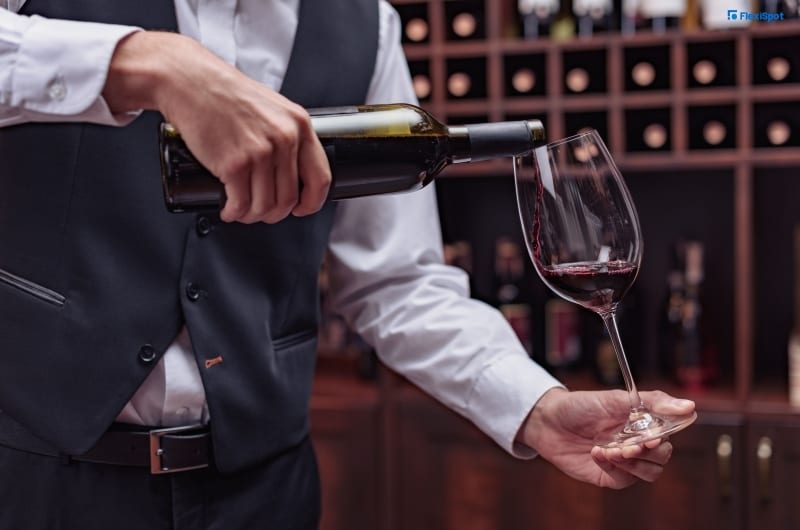
1. Gently pour and swirl the red wine into your glass.
Your full attention is required in this process because you are to assess the viscosity and thickness of your wine. Observe how it will coat the side of your glass and ask yourself what your taste expectations are. After pouring, swirl the glass with the red wine and observe if it is opaque or did it coat the sides of the glass. If opaque, this usually means the wine originated from a warm area and only took a relatively short time to age. If it coats the sides, it could possibly indicate the sweetness level and alcohol amount of the wine.
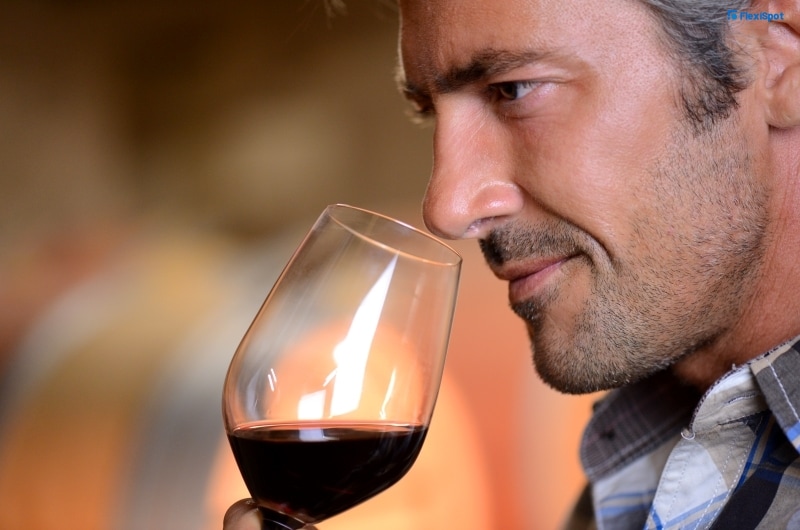
2. Take a big whiff of the red wine’s aroma.
Put your nose as near as possible to the glass rim so that you could smell it clearly. Close your eyes for a stronger sense of smell. Aside from the grapes, the red wine’s main scent is usually another fruit such as blackberries, currants, or strawberries which could either be sweet, intense or tart. The next scent to identify is the smell of the flavors created during the winemaking process—getting the aroma of vanilla, mint, rose, or pepper. The third scent is to capture a sniff of the closing note that reflects the wine’s age. Common scents are leather, smoke, or coffee.
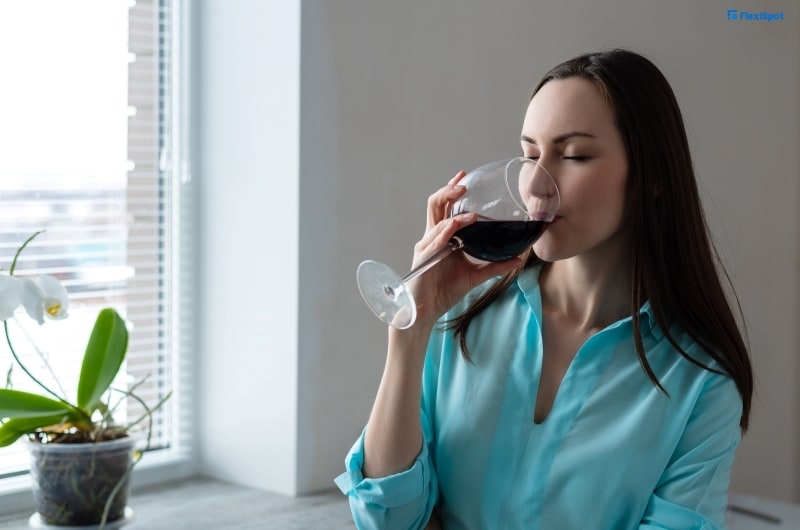
3. Take a small sip and swallow immediately.
Allow it to sit on your tongue while paying attention to the aftertaste. Take notice of how long it’ll be before it’s gone. Some sommeliers even recommend to spit the first sip. It allows you to analyze the other red wines available without getting drunk.
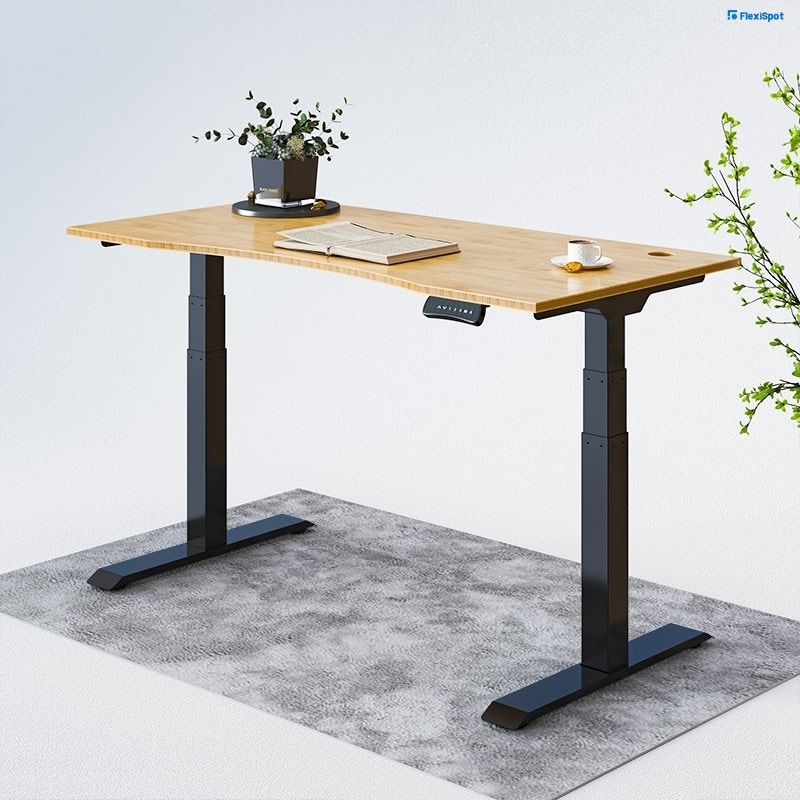
The Perfect Table for Your Red Wine Date
The Kana Bamboo Standing Desk from FlexiSpot is eco-friendly, elegant, spacious, and durable.
FlexiSpot employed lateral compression technology so that the natural grain of the bamboo desktop won’t be lost. The desktop is also coated with carbonized 2H lacquer that resists scratches, water, and insects. You wouldn’t have to worry in case the red wine spills.
It’s spacious enough for two people if you’re getting the Kana Bamboo Standing Desk at its smallest desktop size which is 48” x 24.” If you’re preparing a red wine get-together with 3 friends, you would probably prefer the 78” x 30” desktop size.