
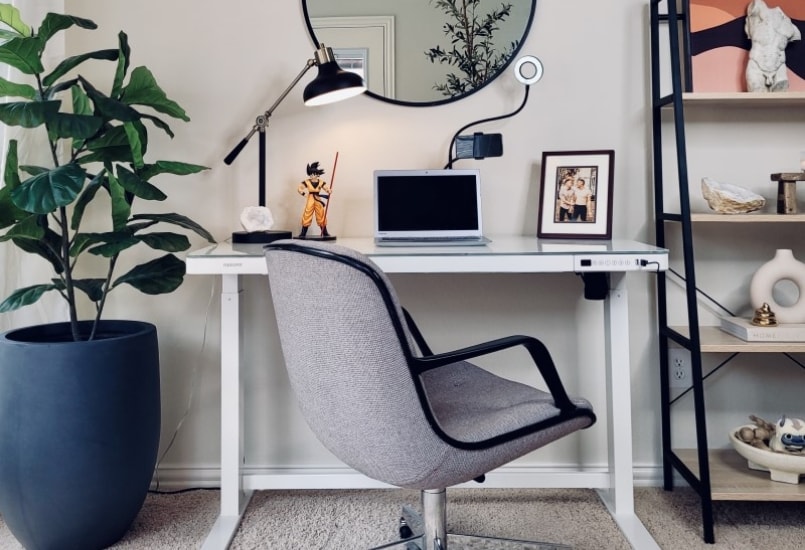
A quiet shift has taken place in the way people define success at work. It is no longer only about titles, salaries, or corner offices. It shows up in the spaces where work actually happens. For remote professionals, the home office has become a mirror of ambition, discipline, and self-respect. What used to be hidden behind a laptop screen is now fully visible, lived in, and felt every single day. In this new rhythm of work, ergonomic furniture has stepped into a new role. It is no longer just practical. It has become a symbol of intention, clarity, and modern status.
A well-designed chair or desk does not shout for attention. It speaks in comfort, in focus, in the quiet confidence of someone who has built a space that supports them. This is why ergonomic furniture is not just a trend. It reflects a deeper understanding of how people want to live and work now. It is about feeling better, thinking clearer, and showing up fully, even when no one is watching.

The first reason ergonomic furniture has become a status symbol lies in how it shapes the body and the mind at the same time. Remote work can look effortless from the outside, but the physical toll is real. Long hours at a poor setup lead to tight shoulders, aching backs, and a slow drop in energy. Over time, this does not just affect comfort. It affects output, creativity, and even confidence. People who invest in ergonomic furniture are choosing to protect their most valuable resource, which is their ability to perform well every day.
A height-adjustable desk, for example, invites movement into the workday. It allows the body to shift naturally between sitting and standing. This simple change improves circulation, reduces strain, and keeps energy levels steady. The result is not just less pain, but more clarity. When the body feels supported, the mind has more space to think. This is where productivity becomes smoother and more consistent.
Subtle design details matter as well. A desk with a thoughtful structure, stable legs, and a smooth lift system makes transitions feel effortless. Features like built-in drawers and cable management reduce visual clutter, which in turn reduces mental clutter. Even small additions such as wireless charging create a sense of ease that adds up over time. The FlexiSpot Comhar Standing Desk with Drawers is one example that blends these ideas into a single piece. Its adjustable height, stable frame, and integrated storage quietly support better posture and a cleaner workspace without demanding attention.
This is what makes ergonomic furniture feel like a status symbol. It signals that the person using it values longevity over quick fixes. It reflects discipline, not excess. It shows that success is not just about working harder, but about working smarter and feeling better while doing it.

The second reason lies in how ergonomic furniture shapes the environment and the identity of the remote professional. A home office is no longer a temporary setup. It is a permanent part of daily life. The way it looks and feels has a direct impact on mood, focus, and even self-perception. People who curate their workspace with intention are not just decorating. They are building a system that supports their goals.
Clean lines, natural posture, and organized surfaces create a sense of calm. This calm is not empty. It is active and focused. It allows deeper thinking and more meaningful work. When everything has a place, the mind does not have to work as hard to stay on track. This is why organization features, like hidden drawers and cable trays, matter more than they seem. They reduce friction in small but powerful ways.
At the same time, these choices communicate something to others. In a world of video calls and digital meetings, your workspace is often part of your presence. A well-designed ergonomic setup sends a quiet message. It shows care, professionalism, and awareness. It tells people that you take your work seriously and that you understand the value of a strong foundation.
This shift has changed what people admire. It is no longer just expensive items or flashy setups. It is a thoughtful design that works well and looks clean. Ergonomic furniture fits perfectly into this new idea of status. It is not about showing off. It is about showing up with intention.

The third reason ergonomic furniture has gained this status is tied to long-term thinking and personal investment. Remote professionals are no longer waiting for companies to define their work conditions. They are taking ownership of their space, their comfort, and their performance. This mindset reflects a deeper level of independence.
Investing in ergonomic furniture is a decision that pays off over time. It reduces the risk of chronic pain, improves posture, and supports better habits. It also creates a sense of stability in a work life that can sometimes feel fluid and uncertain. A reliable desk or chair becomes part of a daily routine. It anchors the day and provides consistency.
Products like the FlexiSpot Comhar Standing Desk with Drawers highlight this shift toward thoughtful investment. Its ergonomic design encourages better posture. Its sturdy structure ensures stability whether sitting or standing. Its built-in drawer and cable management system keep the workspace organized and free of distractions. The wireless charging feature adds a layer of convenience that fits naturally into modern work habits. These are not flashy features. They are practical choices that improve daily life in quiet, lasting ways.
Over time, these improvements compound. Better posture leads to less fatigue. Less fatigue leads to better focus. Better focus leads to higher quality work. This chain reaction is what makes ergonomic furniture so valuable. It is not just about comfort at the moment. It is about building a better work life over months and years.
This is why ergonomic furniture has become a new kind of status symbol for remote professionals. It reflects a shift in values. It shows that success is no longer measured only by what people achieve, but by how they sustain that achievement. It highlights the importance of health, clarity, and intention in a world that often moves too fast.
In the end, the appeal of ergonomic furniture is simple. It helps people feel better while doing meaningful work. It supports both the body and the mind. It creates a space where focus comes easier and stress feels lighter. And in a time when work and life are more connected than ever, that kind of support is not just useful. It is essential.