
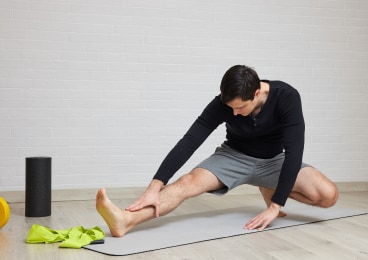
There is a quiet kind of disappointment that comes with a late spring in Canada. The calendar insists it is time, yet the window tells a different story. Snow still falls in soft, stubborn waves. Sidewalks stay buried. The air carries a chill that lingers longer than expected. It feels like being paused between seasons, caught in a space where winter refuses to loosen its grip. This in-between time can weigh on the body and the mind. Days feel slower. Energy dips. Motivation slips away in small, quiet ways. Yet this moment is not empty. It is a chance to rethink movement, to rebuild rhythm, and to find new ways to stay active without waiting for the sun to return. Spring may be delayed, but your momentum does not have to be. The key is to shift the idea of activity from outdoors to wherever you are. Movement is not tied to the season. It belongs to you, no matter what the sky looks like.

Why Winter Fatigue Feels So Real
There is science behind that heavy feeling that settles in during long winters. Shorter days mean less sunlight, and less sunlight affects mood, sleep, and energy levels. The body slows down in response. It produces more melatonin, which makes you feel sleepy, and less serotonin, which affects how you feel emotionally. This is why getting out of bed can feel harder, and staying active can feel like a task instead of a natural habit. Cold weather also limits outdoor activity, which reduces overall movement. When steps decrease, energy levels often follow. It becomes a cycle that feeds itself. You move less, so you feel more tired, and because you feel tired, you move even less. Breaking this cycle starts with small, intentional action. You do not need perfect weather to stay active. You only need a willingness to move in ways that fit your current environment. Even light activity indoors can help reset your energy and improve how you feel day to day.
Rethinking Movement When You’re Stuck Inside
When snow keeps piling up outside, the idea of exercise can feel distant. But movement does not have to look like a long run or a trip to the gym. It can be simple, steady, and woven into your daily routine. Walking in place while you work, stretching between tasks, or pacing during phone calls can all add up. The goal is not intensity. The goal is consistency. When you shift your mindset, indoor spaces begin to feel less limiting and more useful. A living room becomes a walking path. A hallway becomes a place to build steps. These small changes create a sense of progress, even when the world outside feels frozen. Over time, these moments of movement build endurance and improve mood. They remind your body that it is still active, still capable, and still moving forward. The snow may keep you indoors, but it does not have to keep you still.

The Quiet Power of Walking Indoors
Walking is one of the most natural forms of movement. It requires no special skill, no complex routine, and no pressure to perform. Indoors, it becomes even more accessible. You can walk at your own pace, in your own space, without worrying about the cold, ice, or unpredictable weather. This simplicity is what makes it powerful. A short walk during a break can refresh your mind. A longer walk while watching a show can add meaningful activity to your day. Even ten minutes at a time can make a difference. Walking supports heart health, improves circulation, and helps regulate mood. It also creates a sense of rhythm that can be grounding during long, uncertain winters. When you walk, you remind your body that it is not stuck. It is moving, step by step, toward something better. In a season that feels slow, walking brings back a sense of steady progress.
Making Movement Part of Your Workday
Working from home during winter can quietly reduce how much you move. Without commutes, errands, or outdoor breaks, hours can pass without much physical activity. This is where intentional movement becomes essential. Integrating walking into your workday can change how you feel without disrupting your schedule. Tools like the FlexiSpot Under Desk Walking Treadmill WPM02 offer a practical way to stay active while working. It allows you to walk at a gentle pace while answering emails, attending meetings, or focusing on tasks. This kind of movement does not demand extra time. It simply uses the time you already have. Over the course of a day, these steps add up. They improve circulation, reduce stiffness, and help maintain energy levels. More importantly, they make activity feel natural again. When movement becomes part of your routine instead of a separate task, it is easier to stay consistent, even when winter stretches on longer than expected.

Building a Routine That Survives the Cold
Consistency is the foundation of staying active in any season, but it becomes even more important during long winters. The key is to create a routine that feels realistic and sustainable. This means starting small and building gradually. A short indoor walk in the morning, a few minutes of stretching in the afternoon, and another walk in the evening can create a balanced rhythm. These moments do not need to be perfect. They only need to happen regularly. Over time, they become habits that support both physical and mental health. It also helps to create an environment that encourages movement. Keeping a treadmill nearby, setting reminders to stand, or pairing movement with enjoyable activities can make a difference. The goal is to remove barriers and make activity feel easy to begin. Winter may be long, but your routine can be steady. And that steadiness can carry you through even the coldest days.
Waiting for Spring Without Standing Still
Spring will come, even if it feels late this year. The snow will melt, the air will soften, and the world will open up again. But you do not have to wait for that moment to feel better. You can create your own sense of movement and progress right now. Staying active indoors is not just a temporary solution. It is a way to care for your body and mind when the season feels uncertain. Each step you take, even inside your home, is a reminder that you are not stuck. You are adapting. You are moving forward in a way that fits your life today. And when spring finally arrives, you will not be starting from zero. You will already have momentum. You will already feel stronger, more energized, and more ready to step outside again. Until then, let movement be your constant, even when the snow refuses to leave.