
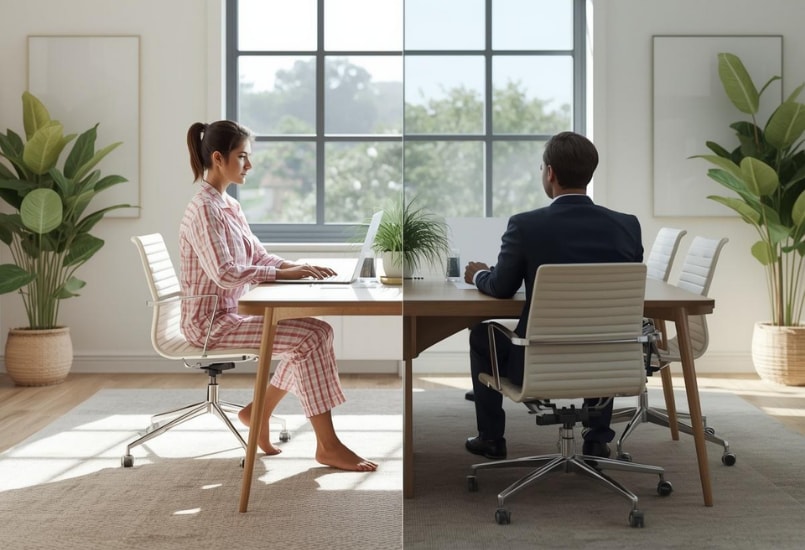
The way we work has changed, and with it, the way we feel. In 2026, the question is no longer whether remote work is possible. We already know it is. The real question is deeper and more personal: where do we actually feel better? Is mental health stronger at home, where comfort and control shape the day, or in the office, where structure and human connection create rhythm?
For many people, working from home once felt like freedom. No commute, no office noise, no rushed mornings. For others, it slowly became a quiet kind of pressure, where work blurred into life and rest became harder to find. On the other side, working from the office offers routine, collaboration, and social energy, but it can also bring stress, exhaustion, and the feeling of always being “on.”
The truth is not black and white. Mental health is shaped by environment, habits, boundaries, and even the chair you sit in for eight hours. A poorly designed workspace can quietly increase stress, while a thoughtful setup with a FlexiSpot standing desk and a FlexiSpot ergonomic office chair can improve focus, posture, and even mood.
Choosing between WFH and WFO is about understanding how your mind works best. It is about creating a life where productivity does not come at the cost of peace. The honest answer is not one-size-fits-all, and that is exactly why it matters.

Home Can Feel Peaceful, Until It Starts Feeling Like a Trap
Working from home often begins like a dream. The alarm rings later. The kitchen is a few steps away. Your own music fills the room instead of office chatter. You control the lighting, the temperature, and the pace of your morning. For many people, this comfort reduces stress immediately. It creates a sense of ownership over the day that traditional office life rarely offers.
But comfort can slowly turn complicated. When your home becomes your workplace, your brain can struggle to separate productivity from rest. The dining table becomes a desk. The bedroom becomes a meeting room. Even weekends can feel like unfinished work waiting in the corner. Without clear boundaries, many people begin to feel mentally tired without understanding why.
Isolation is another quiet challenge. Some people thrive in silence, but others need conversation to feel balanced. Quick chats with coworkers, shared laughter during lunch, and the simple act of leaving the house all support emotional well-being more than we often realize. Without them, loneliness can build slowly and silently.
This is where workspace design matters more than people expect. A dedicated setup creates mental separation. A FlexiSpot standing desk helps create that sense of structure by turning a random corner into a real workstation. The ability to alternate between sitting and standing also supports energy levels and reduces physical discomfort, which often affects mood more than we admit. Pairing it with a FlexiSpot ergonomic office chair helps reduce back pain, shoulder tension, and the fatigue that comes from poor posture.
Mental health is rarely just emotional. It is physical too. When the body feels supported, the mind often follows. Working from home can be deeply healthy, but only when home still feels like home at the end of the day.

The Office Creates Structure, But It Can Also Create Stress
For many people, the office offers something home cannot easily replace: clear boundaries. You leave the house, you go to work, and then you come back. That physical separation helps the mind switch roles. It creates a beginning and an end, which can be surprisingly powerful for mental clarity.
Routine also supports emotional stability. A predictable schedule helps reduce decision fatigue. Meetings happen in dedicated spaces. Collaboration feels faster. Questions get answered in real time instead of waiting through long email threads. For people who feel energized by people, the office can improve motivation and reduce feelings of isolation.
Human connection matters. Seeing familiar faces, sharing small conversations, and feeling part of a team creates a sense of belonging. This is not a small thing. Connection is one of the strongest protectors of mental health, especially during stressful seasons.
Still, office life has its own costs. Long commutes steal time and energy before the workday even begins. Crowded transport, traffic, and the pressure of arriving on time can create stress before the first task starts. Open offices can also be mentally draining. Constant noise, interruptions, and the feeling of being watched can make focus harder, not easier.
Then there is presenteeism, the pressure to look productive rather than feel productive. Sometimes people stay late not because work demands it, but because culture quietly expects it. This creates emotional exhaustion that builds over time.
Even in the office, physical comfort shapes mental wellness. Sitting for long hours in poor seating can increase fatigue and frustration. An ergonomic setup matters just as much in corporate spaces as it does at home. A supportive chair and proper desk height improve concentration and reduce the background stress caused by discomfort.
The office is not automatically better for mental health. It is simply different. Structure can be healing, but only if it does not come wrapped in burnout.

The Best Answer in 2026 Might Be Balance, Not Sides
The biggest lesson of modern work is simple: most people do not need extremes. They need flexibility. The healthiest work style for mental health often lives somewhere between full-time WFH and full-time WFO.
Hybrid work has become popular for a reason. It allows people to protect deep focus at home while still benefiting from in-person collaboration and social connection. A few office days can bring energy and teamwork, while home days offer quiet concentration and personal comfort. This balance often creates the best emotional outcome because it respects both productivity and humanity.
But hybrid only works when it is intentional. Without boundaries, it can feel like the worst of both worlds. People may feel expected to be available everywhere, all the time. True flexibility requires clear expectations, trust, and a work culture that values results more than constant visibility.
Self-awareness becomes the real deciding factor. Some people feel mentally stronger around people. Others need solitude to think clearly. Some need movement and structure. Others need peace and autonomy. The goal is not to copy someone else’s perfect schedule. It is to notice what actually helps you feel calm, focused, and emotionally steady.
Your environment should support that. A strong home setup with a FlexiSpot standing desk and a FlexiSpot ergonomic office chair helps remote days feel professional instead of chaotic. Good lighting, movement breaks, and clear work hours matter just as much as deadlines and meetings.
Mental health at work is not built by location alone. It is built by habits, boundaries, support, and honest reflection. WFH and WFO are not enemies. They are tools. The better question is not which one wins, but which one helps you feel most like yourself.
In 2026, success looks less like constant hustle and more like sustainable energy. The best workplace is the one where your mind can breathe, your body feels supported, and your life still belongs to you.