
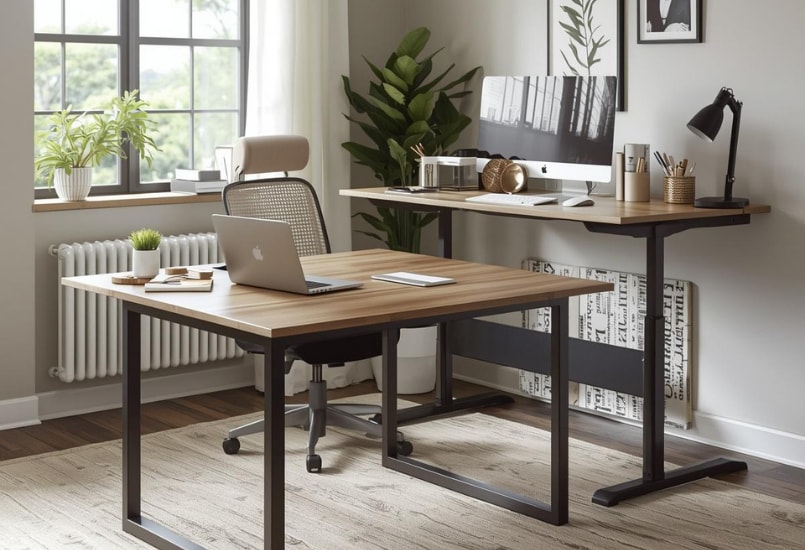
Productivity often looks simple from the outside. A person sits down, opens a laptop, answers emails, finishes reports, and checks tasks off a list. But anyone who works long hours knows the truth is far more complicated. Focus is fragile. Energy rises and falls. A cluttered desk can feel like mental fog, while an uncomfortable chair can turn a normal afternoon into a battle against your own body.
The desk you work on shapes more of your day than most people realize. It affects posture, attention, mood, and even how long you can stay engaged before your brain starts quietly asking for a break. For years, the traditional desk ruled every office and home workspace. It was familiar, practical, and expected. Then standing desks entered the conversation and changed the question entirely. Suddenly, people were asking whether sitting all day was quietly working against them.
The debate between traditional desks and standing desks is not just about furniture. It is about how we work, how we feel while working, and what kind of rhythm helps us do our best thinking. Some people swear by the comfort of a classic seated setup. Others say standing transformed their focus and energy. The real answer is not about trends. It is about understanding what supports productivity in real life.
The modern workspace asks for flexibility, and that is where options like the FlexiSpot Comhar Standing Desk with Drawers stand out. Built as a multi-functional and compact desk, it works as the ultimate family desk, adjusting for parents working from home, kids doing homework, and anyone needing a clean, organized corner to think clearly. With storage drawers, height presets, child lock, and three USB ports for easy charging, it is designed for real homes and real routines, not just picture-perfect office setups.

Why Traditional Desks Still Feel Reliable
Traditional desks have lasted this long for a reason. They feel steady, familiar, and easy to trust. Sitting down signals the brain that it is time to settle in and focus. For many people, deep work still feels most natural in a seated position. Writing, designing, accounting, studying, and long meetings often demand stillness, and a traditional desk supports that rhythm without asking the body to adjust.
Comfort matters here. A good seated setup paired with an ergonomic chair can create the kind of support that helps people stay focused for hours. Your feet are grounded, your shoulders can relax, and your attention stays on the work instead of your back. This sense of physical stability often helps mental stability too. Many people produce their best thinking when they are comfortable enough to forget about their posture entirely.
Traditional desks also fit easily into most homes. They are simple to set up, often less expensive, and familiar for children and adults alike. In family spaces, they become more than workstations. They become homework hubs, reading corners, and places where bills get paid and plans get made. They are dependable because they ask for very little adjustment.
Still, the problem is not the desk itself. It is what happens when sitting becomes the only option. Long hours without movement can quietly drain energy. The afternoon slump often feels like laziness, but sometimes it is simply the body asking for circulation, movement, and a change in position. Sitting too long can create stiffness, poor posture, and that heavy mental feeling that makes even small tasks feel bigger than they are.
This is where many people begin to question whether comfort has turned into habit. Traditional desks work well, but they can also make stillness too easy. Productivity is not just about staying seated the longest. Sometimes it is about knowing when to move.

Why Standing Desks Are Changing the Way People Work
Standing desks entered the conversation because modern work changed. People began spending entire days in front of screens, often from morning until evening. The body noticed before the mind did. Neck pain, tight shoulders, low energy, and restless focus became common enough to feel normal. Standing desks offered something simple but powerful: movement without leaving the task behind.
The biggest advantage of a standing desk is flexibility. You are not forced to choose between sitting and standing forever. You can shift. That small freedom changes the workday. Standing during calls, brainstorming sessions, or quick admin tasks can help maintain energy. Sitting during detailed writing or concentrated problem-solving offers balance. Productivity improves because the body is allowed to participate instead of being ignored.
Standing can also improve awareness. People often report feeling more alert when they work upright. The body stays slightly more engaged, and that physical engagement can support mental sharpness. It does not mean standing makes everyone instantly more productive, but it can reduce that sleepy, heavy feeling that arrives after hours of sitting.
The FlexiSpot Comhar Standing Desk with Drawers fits especially well into this modern rhythm. Its adjustable height presets make switching positions easy for the whole family. If children need a lower setup for homework or drawing, the desk adjusts. If parents need standing height for work calls or focused afternoon tasks, it adjusts again. The child lock adds peace of mind, which matters in shared spaces.
Its storage drawers solve another quiet productivity problem: visual clutter. A desk covered in chargers, papers, and unfinished projects creates mental noise. Easy-access drawers allow people to keep the essentials close without letting chaos take over. Out of sight often means fewer distractions and clearer focus. Add three USB ports for charging devices without cable mess, and the desk supports not just movement, but calm.
A workspace should help momentum, not interrupt it. A dead phone battery, missing notebook, or tangled charging cable may seem small, but small frustrations build into lost focus. Smart design protects attention.

So Which Desk Actually Wins for Productivity?
The honest answer is that productivity does not belong to one desk. It belongs to the setup that helps you work with less friction and more intention. A traditional desk wins when stability, comfort, and long periods of seated focus are the priority. A standing desk wins when flexibility, movement, and energy management matter most.
For many people, the best answer is not choosing one side. It is choosing a desk that allows both. Work is not one single activity. Morning planning feels different from afternoon writing. A child doing homework needs something different from a parent managing deadlines. Life changes hour by hour, and the workspace should keep up.
That is why adjustable desks are becoming less of a luxury and more of a practical decision. The FlexiSpot Comhar Standing Desk with Drawers feels designed for that reality. It is compact enough for home use, functional enough for family life, and polished enough to make work feel intentional. From a drawing desk to a reading retreat to a serious work station, it shifts with the day instead of forcing the day to fit one rigid shape.
Its customizable desktop options also matter more than people think. Glass offers a smooth surface that is easy to clean and even allows quick note-taking directly on the desk. Chipboard provides durability and warmth. Bamboo texture adds a natural look that softens a room. These details shape how a workspace feels, and feeling good in a space affects how often you want to use it well.
Even assembly reflects the same idea. A three-step setup means less frustration and faster results. People do not need another complicated project before they can begin working. Simplicity supports consistency.
In the end, productivity is rarely about discipline alone. It is often about the environment. The right desk does not do the work for you, but it removes the quiet obstacles that make good work harder than it needs to be. Sometimes winning productivity starts with something as simple as standing up.