
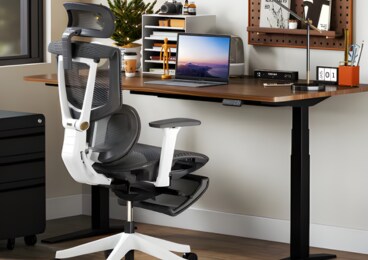
In a workday packed with deadlines, emails, and meetings that could have been an email, the human body often pays the quiet price. We sit too long. We slump without noticing. We stretch only when something starts to ache. Productivity may look impressive on paper, but the spine has its own opinion. Ergonomics exists to bridge that gap between ambition and anatomy. It is not about fancy gear or corporate trends. It is about setting up a desk that works with your body instead of slowly working against it. A thoughtful workspace reduces fatigue, improves focus, and helps you end the day with enough energy left to enjoy your life. The ergonomic starter pack is surprisingly simple. Three pieces form the foundation of a healthier desk. A standing desk, an ergonomic office chair, and an anti-fatigue mat do not compete with each other. They cooperate. Together, they turn long hours into manageable ones and make comfort feel practical rather than indulgent.

Standing Desk: Why Sitting All Day Is the Real Productivity Problem
A standing desk changes the rhythm of your day in ways that feel small at first and significant over time. The human body was not designed to remain folded at the hips for eight straight hours. When you stand, blood flows more freely, muscles stay gently engaged, and your mind stays sharper. A standing desk allows movement to become part of your workflow instead of something you squeeze in between tasks. This simple shift can reduce stiffness, support better posture, and help maintain energy through the afternoon when focus usually dips. Standing does not replace sitting. It complements it. The real benefit comes from switching positions throughout the day without friction or disruption.
Modern standing desks make this transition effortless. With smooth height adjustments, you can raise or lower your workspace in seconds. This flexibility encourages healthier habits because it removes the inconvenience that often stops people from moving. Over time, standing during calls, reading documents upright, or answering emails on your feet becomes second nature. Your desk begins to respond to you rather than forcing your body to adapt to it.
A strong example of thoughtful design is the FlexiSpot Comhar Pro Standing Desk Q8. Made from natural bamboo, it brings warmth and durability into the workspace while remaining environmentally conscious. Its adjustable height range from 24.0 to 49.2 inches allows it to fit a wide range of users comfortably. Stability remains solid even at higher settings, which matters more than people realize. The built-in drawer creates a cleaner surface, helping reduce visual clutter that can quietly drain focus. A desk like this does more than hold a laptop. It supports movement, order, and sustained attention across the workday.

Ergonomic Office Chair: Comfort Is Structural Support
If the standing desk introduces motion, the ergonomic chair provides restoration. Sitting will always be part of work, and it should not feel like something you endure. A well-designed ergonomic chair supports the spine’s natural curve, keeps shoulders relaxed, and distributes weight evenly. This reduces pressure on the lower back and helps prevent the slow buildup of discomfort that often goes unnoticed until it becomes impossible to ignore.
An ergonomic chair works because it adapts to the person using it. Adjustable seat height keeps feet grounded. Lumbar support maintains alignment. Armrests reduce strain on shoulders and wrists. These adjustments allow the chair to fit your body instead of forcing your body to fit the chair. Over time, this reduces muscle tension and helps maintain focus. When your body is supported, your attention stays on the work instead of wandering toward discomfort.
The FlexiSpot Essential Mesh Office Chair BS3 balances durability with everyday comfort. Its steel structure provides long-term stability, while the mesh back promotes airflow during long sessions at the desk. Adjustable armrests offer flexibility for different tasks, whether typing, reading, or leaning back to think. The lifting headrest adds support for the neck, and the tilt locking mechanism allows controlled movement that feels secure. This chair does not ask for constant adjustment. Once set correctly, it quietly does its job, which is exactly what a good chair should do.

Anti-Fatigue Mat: The Quiet Support System Under Your Feet
Standing more often is beneficial, but standing on a hard surface for long periods can introduce its own problems. Floors are unforgiving. Over time, they transfer stress upward through the feet, legs, and lower back. An anti-fatigue mat solves this issue by adding gentle cushioning that encourages subtle movement. This movement improves circulation and reduces strain without requiring conscious effort.
An effective anti-fatigue mat absorbs impact and supports natural posture shifts. It reduces pressure on joints and helps prevent that heavy feeling in the legs that appears after standing too long. The result is comfort that feels active rather than passive. You stand longer not because you force yourself to, but because it feels sustainable.
The FlexiSpot MT1B anti-fatigue mat offers a thickness of 0.75 inches, which provides noticeable support without feeling unstable. Its durable construction ensures it holds its shape over time, while the anti-skid base keeps it securely in place on various floor surfaces. Whether positioned at a standing desk or used occasionally under a chair, it adds a layer of comfort that protects the body from unnecessary stress. Pairing it with supportive shoes creates a simple system that reduces fatigue throughout the day.
Conclusion: Build a Desk That Respects Your Body
An ergonomic workspace is not about chasing perfection. It is about reducing friction between your goals and your physical limits. A standing desk encourages movement. An ergonomic chair supports recovery. An anti-fatigue mat protects the foundation beneath you. Together, they create a balanced system that adapts to how you actually work. Productivity should not come at the cost of comfort. When your desk supports your body, focus improves naturally, energy lasts longer, and work feels less draining. The smartest upgrade you can make is not adding more hours. It is making the hours you already work feel better from the ground up.