
A beautiful chair can change the look of a room. It can make a corner feel stylish, polished, and ready for a magazine photo shoot. That was exactly why I bought my accent chair. It had clean lines, soft fabric, and the kind of design that made guests compliment it the moment they walked through the door. It looked perfect beside my desk.
The problem was that I was spending eight to ten hours a day sitting in it.
At first, I ignored the small signs. A stiff neck after work. A dull ache in my lower back. Shoulders that felt tight before lunch. I assumed it was stress, age, or simply the cost of spending long hours in front of a screen. What I did not realize was that my stylish chair was asking my body to do all the hard work by itself.
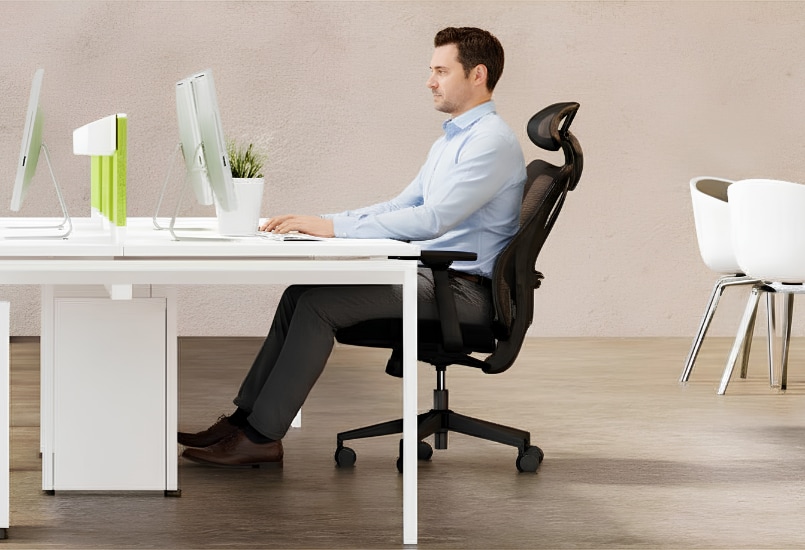
Then I made a simple change. I replaced my trendy accent chair with the FlexiSpot Ergonomic Standard Office Chair (C5).
I expected a more comfortable seat. What I did not expect was how differently my entire body would feel after weeks of using a chair designed for support instead of appearance.

My Stylish Chair Looked Great, But My Body Was Paying the Price
Many people underestimate how much a chair affects the body. We often focus on desks, monitors, keyboards, and standing habits while forgetting that the chair is where we spend most of our day. A chair that lacks proper support forces muscles to stay active for hours. Instead of relaxing into healthy posture, the body constantly works to keep itself balanced.
That was exactly what happened to me.
My accent chair was designed for occasional sitting, not full-time work. The seat looked comfortable, but it offered very little support for my lower back. As the hours passed, I found myself sliding forward, leaning to one side, and crossing my legs to compensate. By the end of the day, my lower back felt compressed and tired.
The biggest surprise was how much pressure accumulated in places I rarely thought about. My neck carried tension from looking at my monitor. My shoulders gradually rolled forward. My hips became stiff. Everything felt connected.
When I switched to the FlexiSpot Ergonomic Standard Office Chair (C5), the first difference I noticed was the adjustable lumbar support. Unlike a fixed backrest, the lumbar support can move up and down by 2.17 inches and forward and backward by 1.77 inches. This allowed me to position the support exactly where my lower back needed it.
The result was immediate. Instead of forcing my spine into an awkward position, the chair encouraged a more natural sitting posture. The support helped distribute pressure across the lumbar muscles and reduced the strain that had become part of my daily routine.
What fascinated me most was how posture works like a chain. When the lower back is properly supported, the shoulders relax more easily. The neck experiences less stress. The entire upper body feels lighter because it is no longer compensating for instability below.
For the first time in years, I realized that comfort and support are not the same thing. A chair can feel soft and still be bad for your body. True comfort comes from proper support, especially during long hours of work.

The Small Adjustments That Made a Big Difference
One of the most overlooked aspects of ergonomic seating is adjustability. Every body is different. Height, weight, posture habits, and work styles all influence how a chair should fit.
The FlexiSpot C5 recognizes this reality.
Over the first few days, I spent time adjusting the chair to fit my body rather than forcing my body to fit the chair. It felt like tailoring a suit. Small adjustments created a surprisingly large impact.
The multi-dimensional free-rotating headrest became one of my favorite features. Before using the C5, I rarely thought about head support. Yet the average human head weighs several kilograms, and the neck works continuously to support it throughout the day. Poor positioning can lead to tension, headaches, and fatigue.
With the adjustable headrest supporting my neck properly, I noticed less stiffness during long work sessions. My head felt balanced rather than constantly leaning forward toward the screen.
The armrests also played an important role. Many people ignore armrest positioning, but improper support can create tension in the shoulders and upper back. The adjustable armrests helped my arms rest naturally while typing and working, reducing strain that I had previously accepted as normal.
Another feature that stood out was the reclining function. The chair supports a recline range from 95° to 115° with two locking positions. This encouraged movement throughout the day. Instead of remaining frozen in one position for hours, I could shift, lean back, and allow different muscle groups to relax.
Research consistently shows that the best posture is not a single posture. The healthiest approach is movement. A chair that supports gentle position changes helps reduce fatigue and encourages better circulation.
The W-shaped high-elastic sponge cushion also contributed to the experience. Unlike cushions that flatten over time, this design provides rebound support and pressure relief. Even during long afternoons filled with meetings and deadlines, the seat remained supportive and comfortable.
The experience taught me something important. Ergonomics is not about luxury. It is about creating an environment that works with the body instead of against it.

What Happened to My Spine After Weeks of Using the FlexiSpot C5
The most meaningful changes did not happen overnight.
They appeared gradually, like sunlight slowly filling a room in the morning.
After several weeks, I noticed I was thinking less about discomfort. That may sound simple, but it is significant. Pain demands attention. Discomfort interrupts focus. When those distractions fade, energy can be directed elsewhere.
My lower back felt more stable throughout the day. The stiffness that used to greet me every evening became less frequent. My neck felt more relaxed. My shoulders no longer carried the same constant tension.
Perhaps the biggest improvement was awareness. Sitting in a properly designed ergonomic chair made me more conscious of posture, movement, and body mechanics. I started taking better breaks. I adjusted my monitor height. I paid attention to how I sat rather than collapsing into whatever position felt easiest.
The larger 27.5-inch chair base also contributed to a greater sense of stability. The chair felt secure, balanced, and durable. Supporting up to 300 pounds, it is built to accommodate a wide range of users while maintaining confidence and reliability.
What surprised me most was how much a chair can influence overall well-being. We often think of furniture as something passive, something that simply exists in a room. Yet the furniture we interact with every day shapes our habits, posture, comfort, and productivity.
Looking back, my accent chair was like a beautiful photograph. It looked wonderful from a distance but offered little practical support. The FlexiSpot Ergonomic Standard Office Chair (C5) may not have the same decorative appeal, but it serves a far more important purpose. It supports the body during the countless hours spent working, creating, learning, and living.
The lesson is simple. A chair should not only fit your room. It should fit your body.
Sometimes the smartest upgrade is not the one that changes how your workspace looks. It is the one that changes how you feel when the workday is over. For me, swapping a trendy accent chair for the FlexiSpot C5 was not just a furniture decision. It was an investment in comfort, posture, and the long-term health of my spine.