
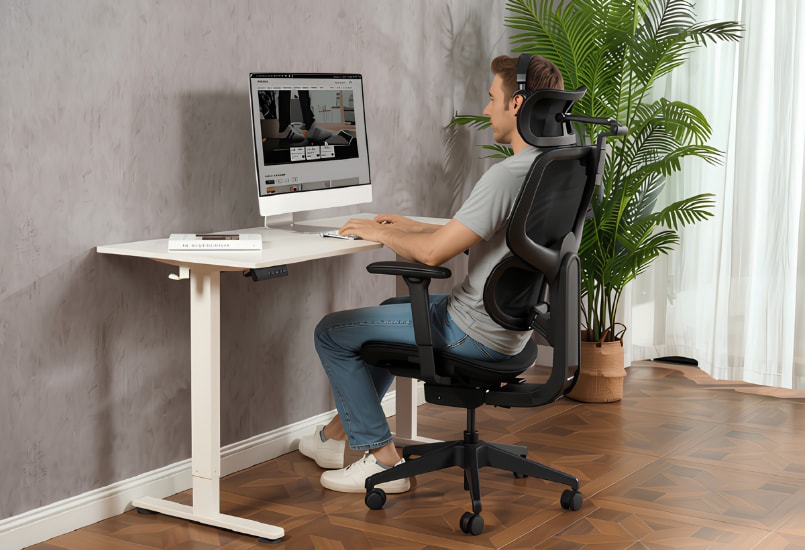
A productive study session begins long before the first page is opened or the laptop is switched on. It begins with the space that welcomes you every day. A quiet desk, good lighting, and the right chair create an environment where focus feels natural instead of forced. Yet many students spend hours sitting on dining chairs, worn-out office seats, or furniture designed for short meals rather than long periods of learning. Over time, discomfort quietly steals attention, drains energy, and makes studying feel more difficult than it should.
An ergonomic chair is not simply another piece of furniture. It is a tool that supports healthy posture, reduces physical strain, and helps the body stay comfortable while the mind stays engaged. Choosing one can feel overwhelming because countless models promise comfort, but only a few truly fit the needs of students who study for hours at home. Understanding what makes an ergonomic chair effective allows you to invest wisely and create a workspace that supports both academic success and long-term well-being.

Comfort Starts with Proper Back and Lumbar Support
Most people notice an uncomfortable chair only after spending several hours sitting in it. The lower back begins to ache, the shoulders tighten, and the neck slowly leans forward toward the screen. These small discomforts build over time until concentration fades and frequent breaks become necessary. A quality ergonomic chair prevents these problems before they begin by supporting the body's natural posture throughout every study session.
Lumbar support is one of the most important features because the lower back naturally curves inward. Without proper support, that curve gradually collapses while sitting, increasing pressure on the spine and surrounding muscles. Good lumbar support fills the space between the chair and the lower back, encouraging a healthier sitting position without forcing the body into an unnatural posture. The best chairs also allow the lumbar support to adjust, ensuring students of different heights and body types receive the right level of comfort.
Backrest design matters just as much. A contoured back follows the natural shape of the spine, spreading pressure more evenly instead of concentrating it in one area. When the back receives consistent support, the muscles work less to keep the body upright. That saved energy can be directed toward reading, writing, solving problems, and staying mentally alert instead of fighting physical discomfort.
A Chair Should Fit Your Body Instead of Making You Fit the Chair
Every student studies differently. Some spend hours reviewing handwritten notes, while others constantly switch between typing, reading, and attending online classes. Because every body is different, an ergonomic chair should adapt to the user rather than expecting the user to adapt to the chair.
Seat height is the first adjustment to consider. Feet should rest flat on the floor while the knees remain close to a ninety-degree angle. When the chair sits too high, pressure builds beneath the thighs. When it sits too low, the hips and lower back carry unnecessary strain. Proper height creates a balanced posture that supports comfortable circulation during long study sessions.
Seat depth also plays a surprisingly important role. A seat that is too deep pushes against the back of the knees, while one that is too shallow fails to support the thighs. Adjustable seat depth allows students to maintain proper support without sacrificing movement. Adjustable armrests further reduce stress by allowing the elbows to rest naturally while typing or writing. This helps prevent shoulder tension that often develops during extended computer use.
Headrests deserve attention as well, especially for students who frequently lean back while reviewing digital textbooks or watching recorded lectures. A properly positioned headrest reduces strain on the neck and upper spine, allowing moments of relaxation without disrupting healthy posture.

Movement Is Just as Important as Good Posture
Many people believe perfect posture means remaining completely still throughout the day. In reality, the healthiest posture is one that allows regular movement. The human body was designed to shift, stretch, and change positions. An ergonomic chair should encourage these natural movements instead of locking the body into a single position for hours.
A reclining backrest allows students to change angles throughout study sessions. Leaning back for a few minutes while reading or reviewing notes redistributes body weight and reduces pressure on the lower spine. Recline functions also improve blood circulation and help muscles recover from continuous sitting. Even small adjustments throughout the day can reduce fatigue significantly.
Tilt mechanisms work alongside reclining features by allowing gentle movement while maintaining proper support. Instead of feeling rigid, the chair follows the body's natural motions. This dynamic support keeps muscles active without creating unnecessary tension.
Breathable materials contribute to comfort in ways many students overlook. Mesh backs promote airflow that helps regulate body temperature during long hours of studying, especially in warmer environments. Foam seats provide a softer sitting experience with greater pressure relief, while mesh seats offer exceptional ventilation for users who prefer cooler seating. The best choice depends on personal comfort preferences, but both options should provide lasting support without flattening after months of daily use.
When movement becomes part of the sitting experience, studying feels less exhausting and more sustainable over long periods.
Small Adjustments Create Big Improvements in Daily Study Sessions
The difference between an average chair and an excellent ergonomic chair often comes down to thoughtful adjustments. These small features allow the chair to grow with changing study habits instead of becoming uncomfortable over time.
An adjustable backrest height ensures lumbar support stays aligned even as different family members use the chair. Taller users benefit from higher support, while shorter users can position the backrest to match their natural spinal curve. Adjustable headrests further improve comfort by supporting the neck during breaks, reading sessions, or online lectures.
Forward and backward seat adjustments create better weight distribution across the hips and thighs. Combined with adjustable armrests, these features reduce pressure on the wrists, elbows, and shoulders during typing, writing, or using a mouse. Over weeks and months, these improvements help reduce repetitive strain that often develops during intensive study schedules.
Quality construction should never be overlooked. A sturdy frame, reliable gas lift, durable wheels, and high-quality materials ensure the chair continues performing well after years of everyday use. Students often spend thousands on laptops and textbooks but overlook the furniture supporting them every single day. A dependable ergonomic chair becomes part of every assignment, every exam review, and every late-night study session, making it one of the smartest long-term investments for academic life.

Choosing a Chair That Supports Your Future
The best ergonomic chair is not simply the one with the longest list of features. It is the chair that quietly supports your body while allowing your attention to stay on learning. Comfort should never become something you notice only after pain appears. Instead, it should become part of the background, allowing hours of studying to feel more natural and less physically demanding.
One excellent example is the FlexiSpot Premium Ergonomic Office Chair (C7). Its self-adaptive and adjustable lumbar support responds naturally as your posture changes while also allowing personalized forward and backward adjustment. The targeted sacral support helps reduce pressure on the base of the spine, while the contoured lumbar cushion follows the natural curve of your back for lasting comfort during long study sessions. The adjustable backrest height moves through five levels, creating better alignment between the lumbar support, headrest, and neck.
The chair also offers adjustable seat depth, a 60-degree tilt mechanism, a backrest recline ranging from 90 to 130 degrees, soft 3D armrests, and a headrest with 110-degree surface rotation. Students can choose between breathable mesh seating or supportive foam cushioning depending on their personal preference. Supported by a durable Class 4 gas lift, the chair is designed for stability and everyday reliability. Investing in an ergonomic chair like the FlexiSpot Premium Ergonomic Office Chair (C7) is ultimately an investment in better focus, healthier posture, and more enjoyable hours of learning at home.