
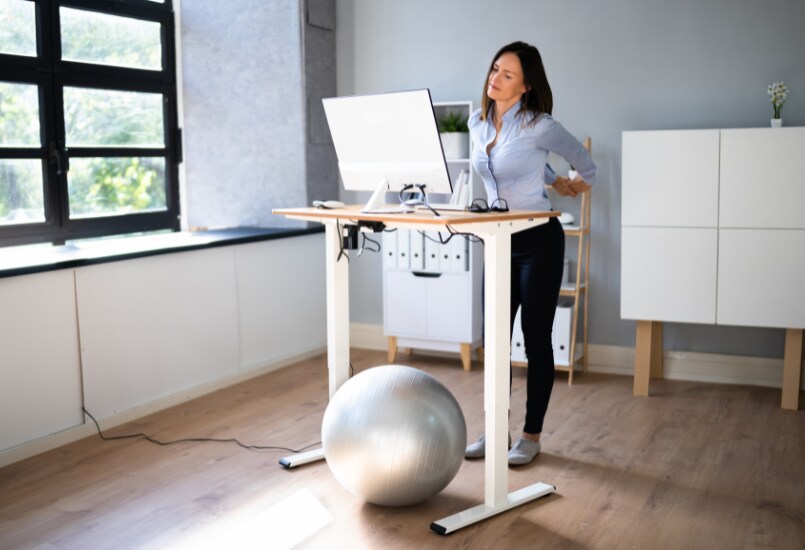
A standing desk can change the rhythm of a workday in ways that feel surprisingly powerful. It promises movement in a world that often asks us to sit still. It offers a chance to stretch, shift, and stay engaged while working through long hours. Yet many people invest in a standing desk and still end the day with aching shoulders, tired feet, stiff backs, and fading energy. The problem is often not the desk itself. The problem is how it is being used.
Standing desks are designed to support healthier work habits, but they work best when paired with the right setup and behavior. Even premium options like FlexiSpot standing desks can only do so much if common mistakes are quietly undermining their benefits. A desk that moves up and down is not a shortcut to perfect posture. It is a tool, and like any tool, its value depends on how it is used.
If your standing desk is not delivering the comfort, focus, and energy you expected, one of these five common mistakes may be the reason.

Mistake #1: Standing for Too Long Without Sitting
Many people make the mistake of believing that if sitting all day is bad, then standing all day must be good. The reality is much more balanced. The human body is built for movement, not for staying in one position for hours at a time.
When you stand too long, your muscles become fatigued. Blood can begin to pool in your legs, leading to discomfort and swelling. Your feet may start to ache, and your lower back may feel strained by the end of the day. Ironically, standing for excessive periods can create some of the same problems associated with prolonged sitting.
The true advantage of a standing desk lies in the ability to alternate positions. Moving between sitting and standing throughout the day keeps your body engaged and reduces stress on any single muscle group. Think of your desk as a way to encourage variety rather than a command to remain upright from morning until evening.
Many experts recommend starting with shorter standing intervals and gradually increasing them as your body adapts. A rhythm of sitting for a while, standing for a while, and taking brief walking breaks can make a remarkable difference in comfort and productivity. FlexiSpot standing desks make this transition easy with smooth height adjustments that allow you to change positions in seconds. The goal is not to stand more than everyone else. The goal is to move more than you did before.
Mistake #2: Setting the Desk at the Wrong Height
A standing desk can only support good posture when it is adjusted correctly. Unfortunately, many people guess their ideal height and never revisit it. A few inches too high or too low can create tension that slowly builds throughout the day.
When your desk is too high, your shoulders may rise toward your ears. This creates strain in the neck and upper back. When the desk is too low, you may hunch forward and round your shoulders, placing extra pressure on the spine. Neither position is sustainable for long periods.
A good rule is to keep your elbows bent at roughly ninety degrees while typing. Your forearms should rest comfortably and your wrists should remain straight. Your shoulders should feel relaxed rather than lifted or slumped. At the same time, the top of your monitor should sit around eye level so your neck remains in a neutral position.
Many workers focus on desk height but forget that monitor placement is equally important. Even a perfectly adjusted desk can cause discomfort if the screen forces you to look down all day.
FlexiSpot standing desks offer precise height adjustments, making it easier to find the position that matches your body. The ideal setup should feel natural. When your workstation fits you properly, your posture becomes less of a struggle and more of a habit.

Mistake #3: Forgetting About Foot and Leg Support
Standing may seem simple, but doing it comfortably for extended periods requires proper support. One of the most overlooked mistakes is standing on hard flooring without giving your feet and legs the care they need.
Concrete, tile, and hardwood floors can place continuous pressure on the joints. Over time, this can lead to soreness in the feet, knees, hips, and lower back. The discomfort may not appear immediately, but it often builds gradually throughout the week.
The solution is not complicated. A supportive anti-fatigue mat can reduce pressure and encourage subtle movements while standing. Comfortable shoes can also make a significant difference. Even small weight shifts help keep blood flowing and muscles active.
Another helpful habit is to change your stance regularly. Move one foot slightly forward. Shift your weight from side to side. Take a short walk when possible. These small adjustments keep the body engaged and prevent stiffness from settling in.
A standing desk should encourage motion, not stillness. The most comfortable users are rarely frozen in one position. They move naturally throughout the day. When standing becomes dynamic rather than static, the benefits become much more noticeable and sustainable.
Mistake #4: Ignoring Movement Throughout the Day
One of the biggest myths about standing desks is that standing alone solves the problems of a sedentary lifestyle. Standing is beneficial, but movement is what truly matters.
Imagine spending eight hours standing in the same spot. While it may be slightly different from sitting for eight hours, the body still experiences long periods of inactivity. Muscles become less active, circulation slows, and energy levels can decline.
The most successful standing desk users treat movement as part of their workflow. They stretch while reading emails. They take brief walks between meetings. They shift positions during phone calls. They use the desk as a reminder that the body is meant to move.
These moments do not need to be dramatic. A few minutes of movement each hour can help reduce stiffness, improve circulation, and refresh concentration. Many people find that short activity breaks help them return to tasks with greater focus and mental clarity.
FlexiSpot standing desks support this approach by making transitions effortless. When changing positions feels easy, people are more likely to do it consistently. The desk becomes part of a larger strategy for staying active rather than a piece of furniture that remains locked in one mode all day.
Movement is where many of the real benefits begin. The standing desk simply opens the door.

Mistake #5: Expecting Instant Results
Modern work culture often encourages quick fixes, but healthier work habits rarely happen overnight. Some people buy a standing desk expecting immediate relief from years of discomfort. When results are not instant, they become discouraged.
The body needs time to adapt to new routines. Muscles that have spent years supporting a seated posture may need weeks to adjust. New movement habits take practice. Proper workstation setup may require small refinements along the way.
Patience is an important part of the process. Notice gradual improvements rather than expecting dramatic changes in a single day. Pay attention to how your energy levels feel. Observe whether you are moving more often. Consider whether your posture is becoming more natural and less forced.
A standing desk is not a cure for every workplace discomfort. It is a tool that supports healthier behaviors over time. When used correctly, it can help create a work environment that feels more active, comfortable, and engaging.
FlexiSpot standing desks are designed to make those healthy habits easier to maintain, but the greatest benefits come from consistency. Small adjustments repeated day after day often produce the biggest results.
The best standing desk setup is not about standing longer. It is about working smarter, moving more often, and creating a workspace that helps your body feel as productive as your mind. When you fix these five common mistakes, your standing desk can finally deliver the experience it was meant to provide.